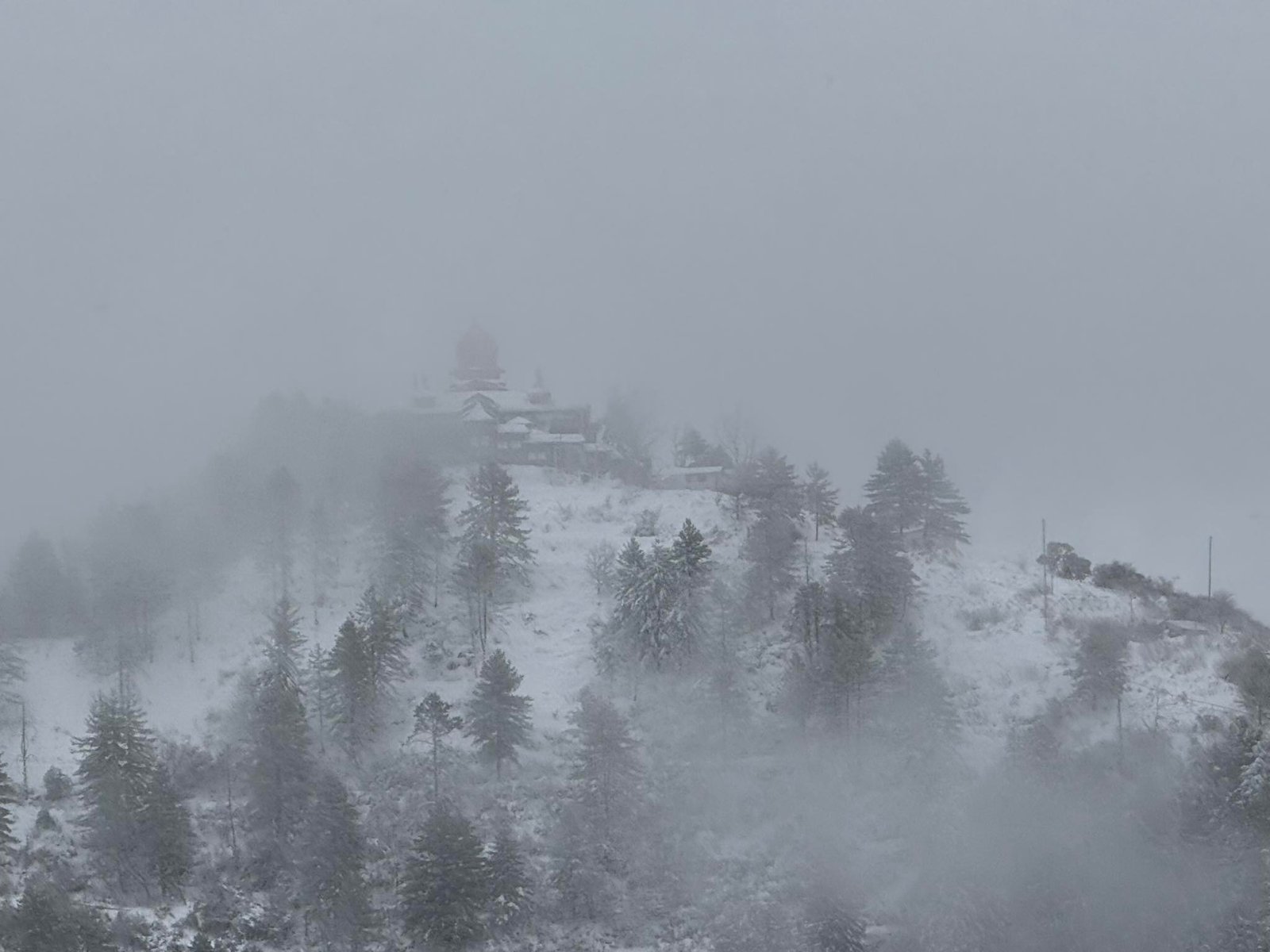
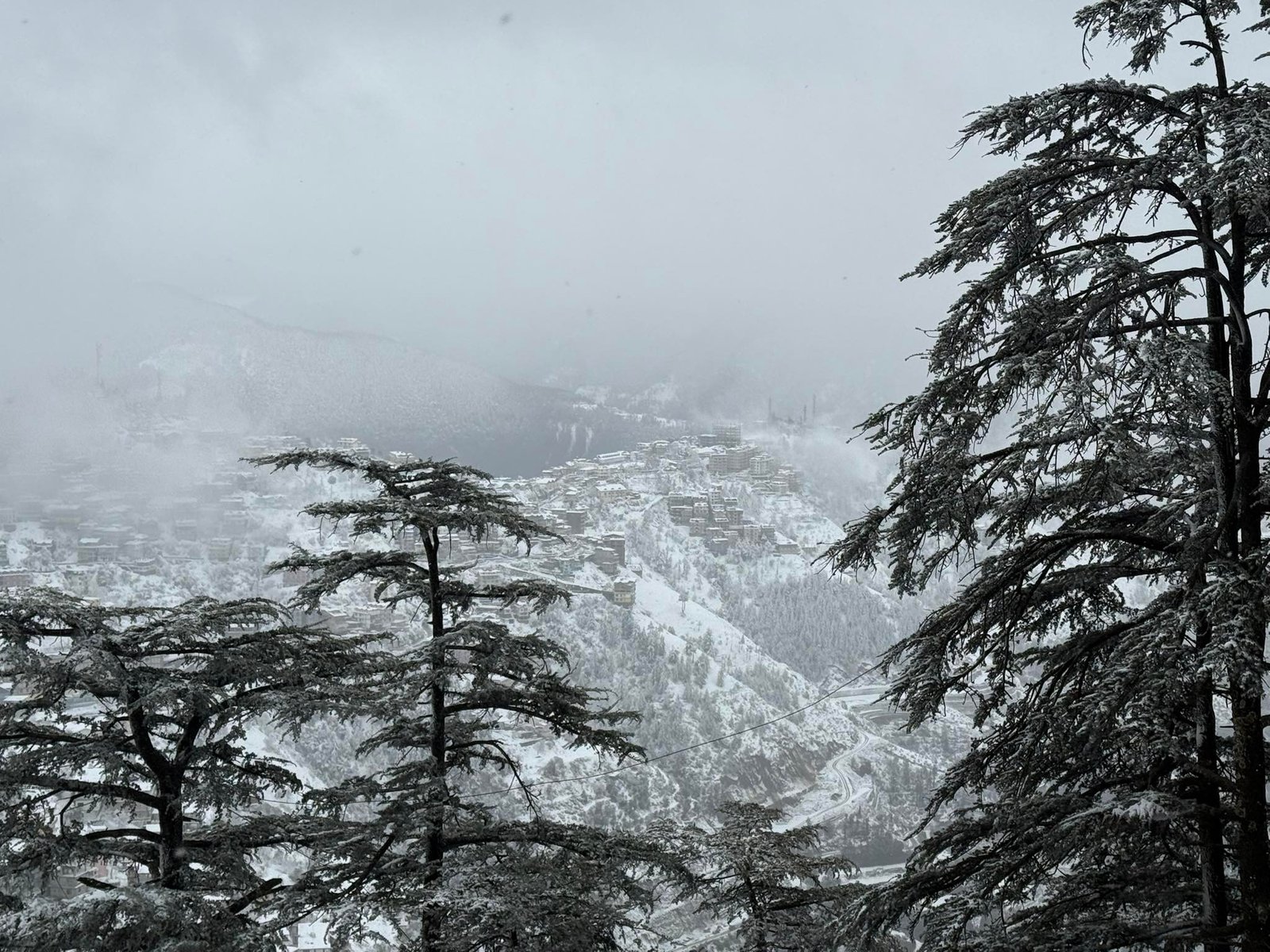
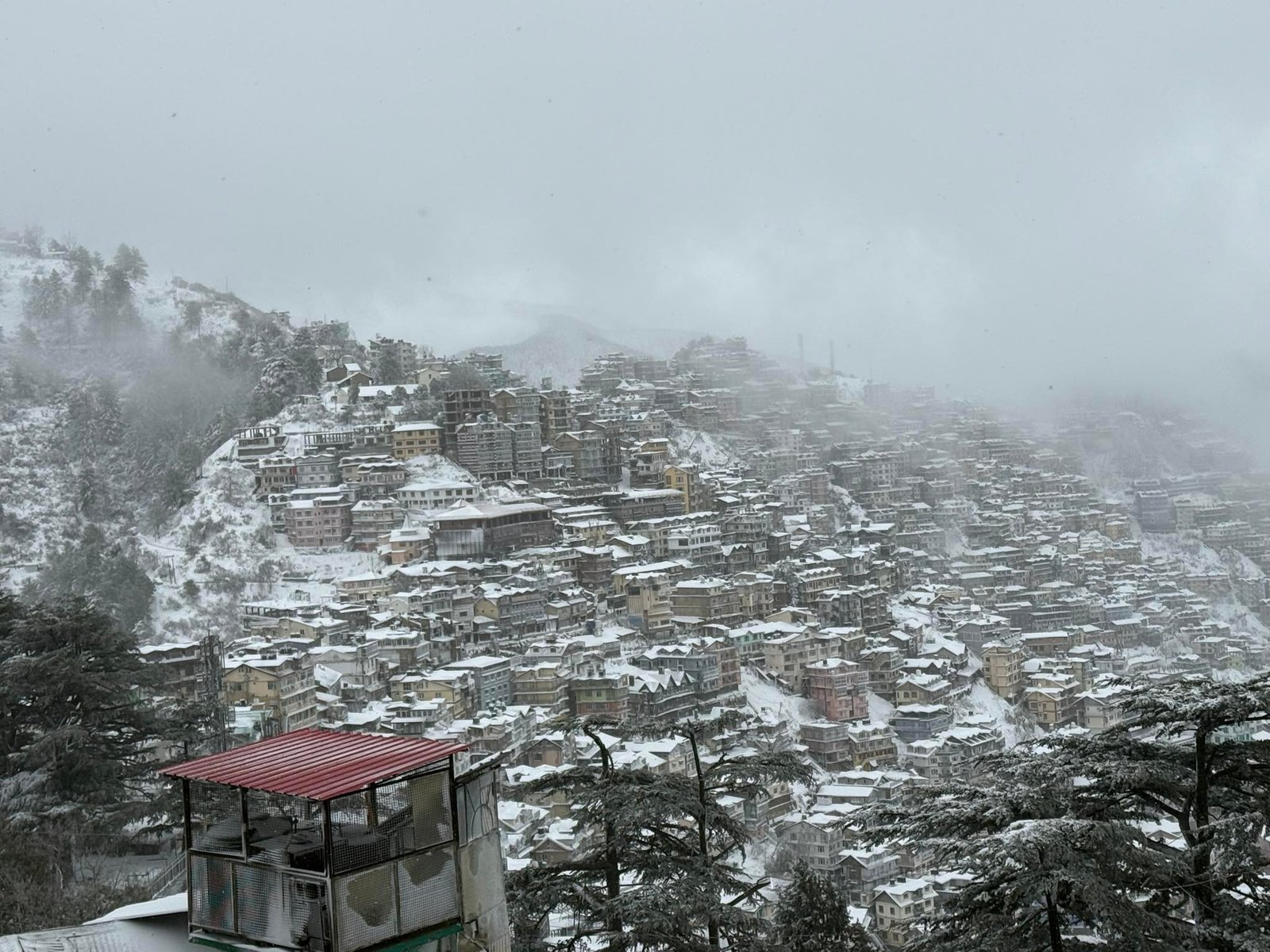
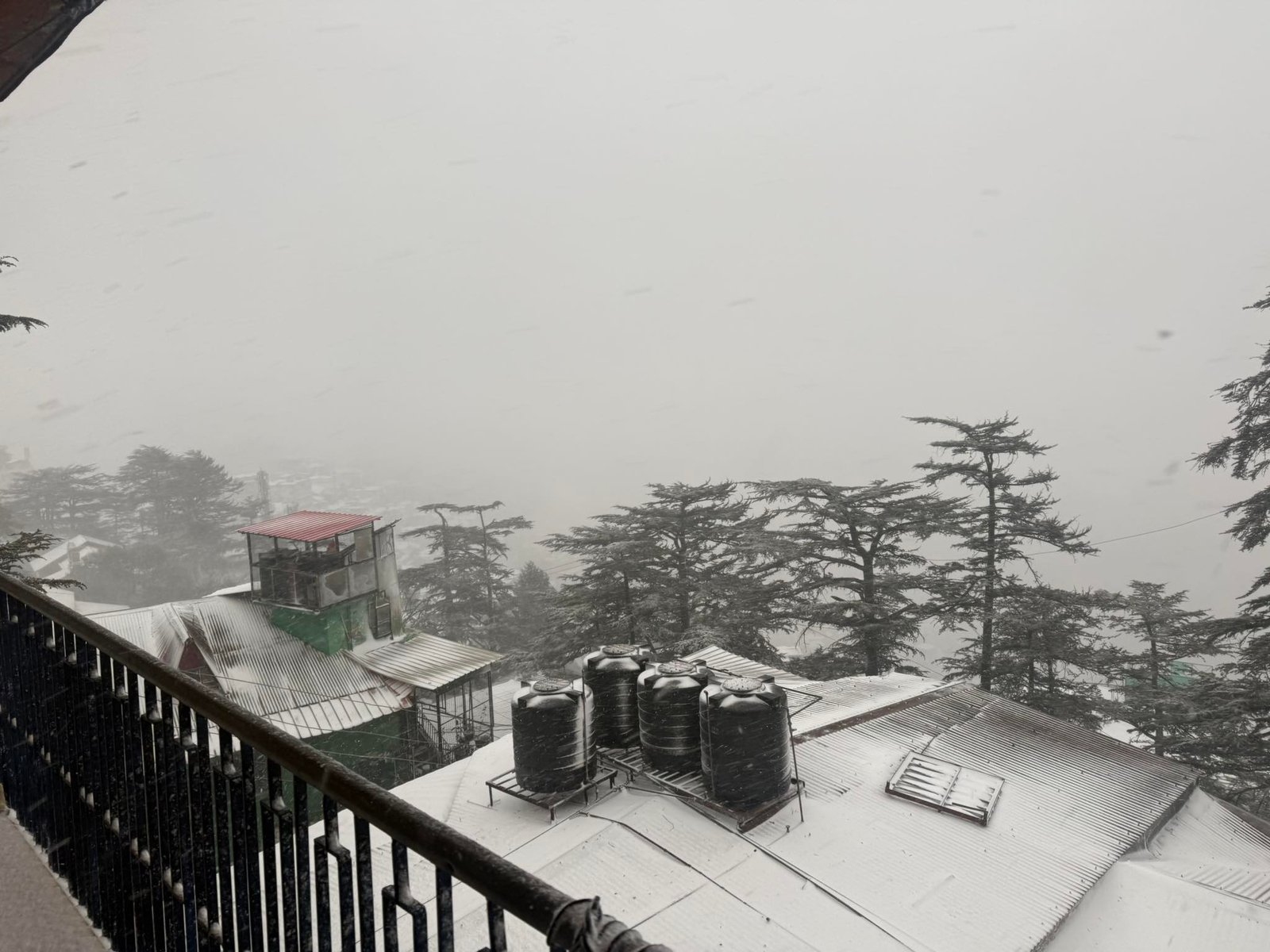
Shimla is not merely a hill station. It is a living archive of history, memory, and movement.
Nestled in the lower Himalayas, Shimla has long stood at the intersection of power, culture, and change. Once the summer capital of British India, it witnessed decisions that shaped the subcontinent’s destiny. Its colonial architecture, winding promenades, and cedar-lined ridges still echo with the footsteps of administrators, reformers, freedom fighters, and thinkers who gathered here during defining moments of India’s history.
But Shimla is more than its imperial past.
Beyond the Mall Road and the stately façades lies a deeper narrative — of local communities, evolving traditions, educational institutions, artistic expression, and social transformation. It is a town shaped as much by village connections and hill culture as by colonial design. Markets hum with stories. Temples and churches stand within walking distance of each other. Seasons define rhythm here — misty monsoons, golden autumn light, crisp winters, and the flowering promise of spring.
Shimla has been a meeting ground — of ideas, of governance, of reform. From the freedom movement to post-independence state-building, it has remained central to Himachal Pradesh’s political and cultural evolution. It is a place where national history and regional identity intersect.
For writers, researchers, and observers of society, Shimla offers something rare: continuity. The past is not buried here; it is layered. Every ridge carries memory. Every building tells a story. Every narrow path connects eras.
To understand Shimla is to understand the hills — their resilience, their refinement, and their quiet strength.
Shimla is not just a destination. It is a narrative that continues to unfold.
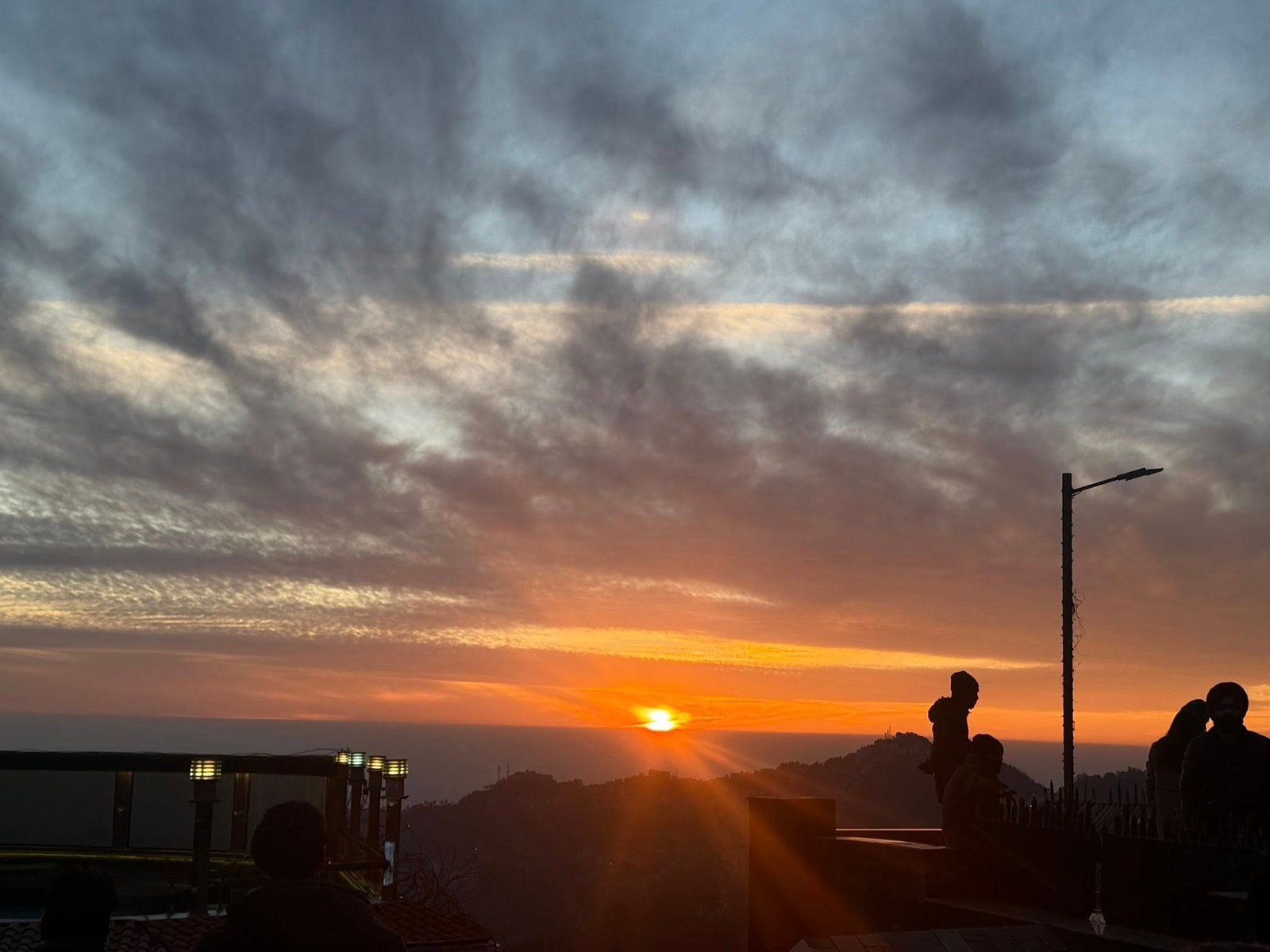
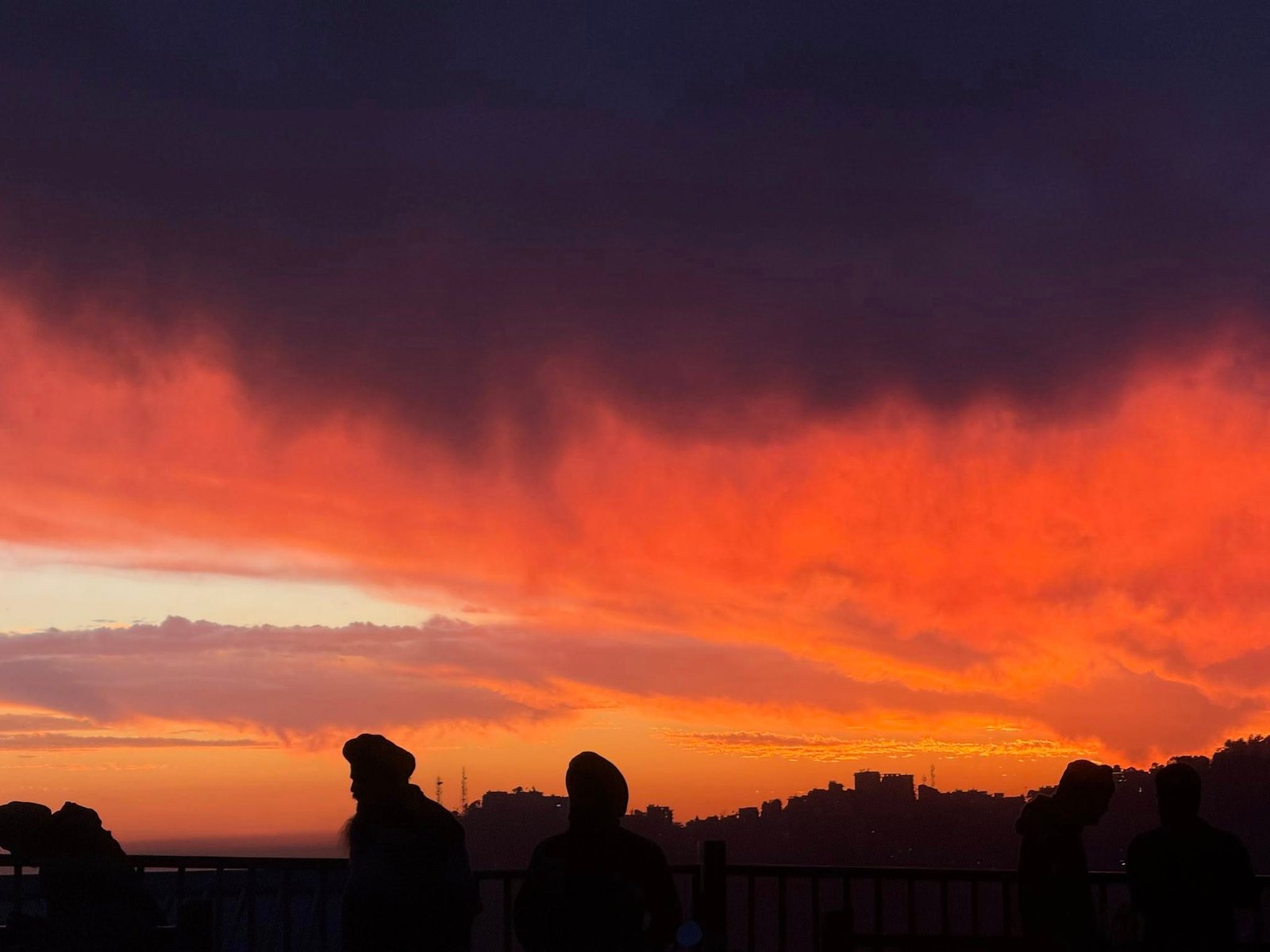
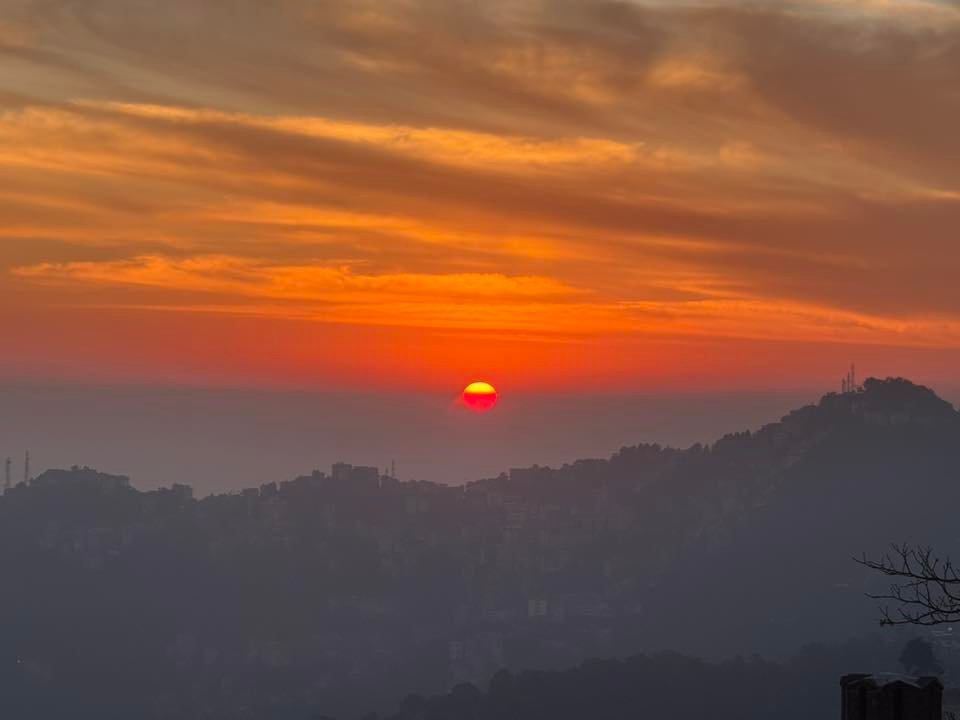
Shimla through my LENS