People of the State are aware of the Trade fair of Rampur Bushahr known as “Lavi” which was started in 1681 with Tibet. During the regime of Raja Kehari Singh, a historic Treaty was signed. But people are not aware that a similar Trade Fair was held in Palampur in Kangra district of Himachal Pradesh in 1867 during the British period.
Tracing back the history of Rampur Bushahr State, in the Treaty between Rampur and Tibet, it was stipulated that their friendly relations would continue till the time “Satlej goes dry, crows turn white, horses get horns, and stones which are situated on the border of both the states on which the treaty was written, would produce hair and wool.” Since then it is presumed and Lavi Fair was held.
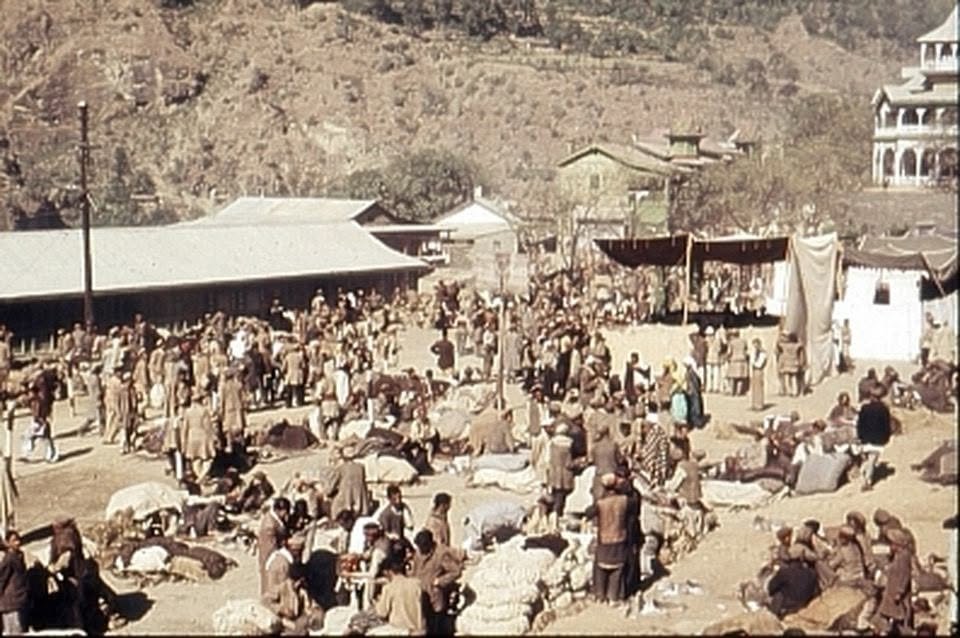
In local dialect ‘Loi’ means shearing of sheep and hence the wool and woollen products were the main commodities in the fair. The trade in the Himalayas started with Tibet and the countries of Central Asian countries which helped in strengthening the socio-economic ties in the Western Himalayan region.
BRITISH RULE
British ruled the country for their military and commercial interests. In Western Himalayas, 1850-51, the British establishment built Hindustan-Tibet Road to open trade with Tibet. They opened a wool procuring centre at Kotgarh in Shimla district. The British traders also purchased wool from Lavi fair and sent it to London.
TRADE FAIR PALAMPUR
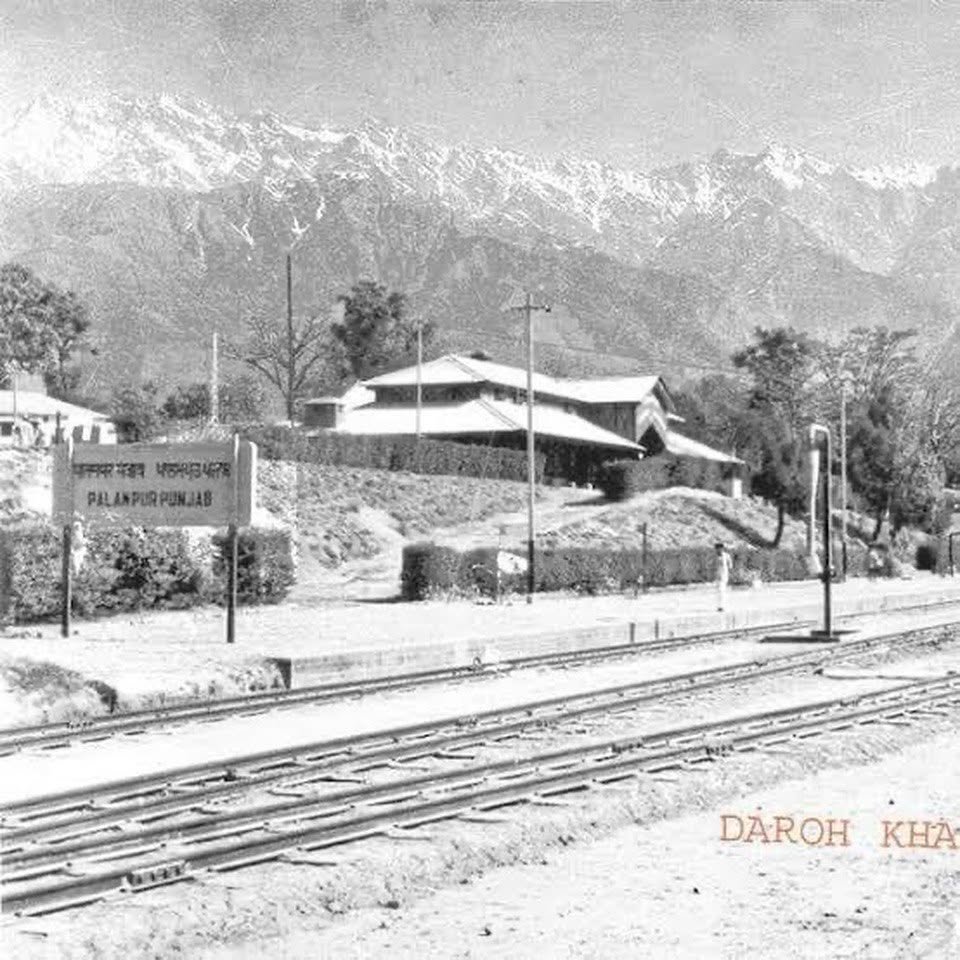
In 1849, Britishers opened trade routes with the Central Asian countries through Lahul -Spiti passing through Rohtang and Baralacha Passes. In the initial year of their occupation in the hilly region, they constructed a wheeled road from Jallandhar to Palampur. The tea-planters were jubilant at this accomplished fact, as it would save them so much trouble and expense in transportation of their tea consignments.
FIRST MULE TRAIN
In 1870, a “Mule Train” was established in Kullu for the carrying of traders’ goods from Central Asian countries via Bara Lacha Pass to Palampur. In 1871, the noticeable feature in the year’s history was the development of the through traffic from the Punjab by mules, of which 170 proceeded all the way from Jallandhar and Hoshiarpur to Ladhak and at once obtained return freight to carry borax to Kullu, the owner’s venture was very successful.
FIRST FAIR AT PALAMPUR
Britishers decided to have trade with Central Asian countries and decided to hold a Trade Fair at Palampur in the month of November 1867. J. D. Forsyth, Commissioner, Jallandhar Division presented a comprehensive report to both Houses of Parliament in England in 1874 of the fairs held from 1867 to 1873. The object of the Trade fair was to develop the local trade and to open out commercial relations with the trans-Himalayan provinces or Central Asia. In the trade at Palampur,100 wooden booths were erected. All other necessary arrangements like wood, drinking water shelter etc were arranged by the British Administration.
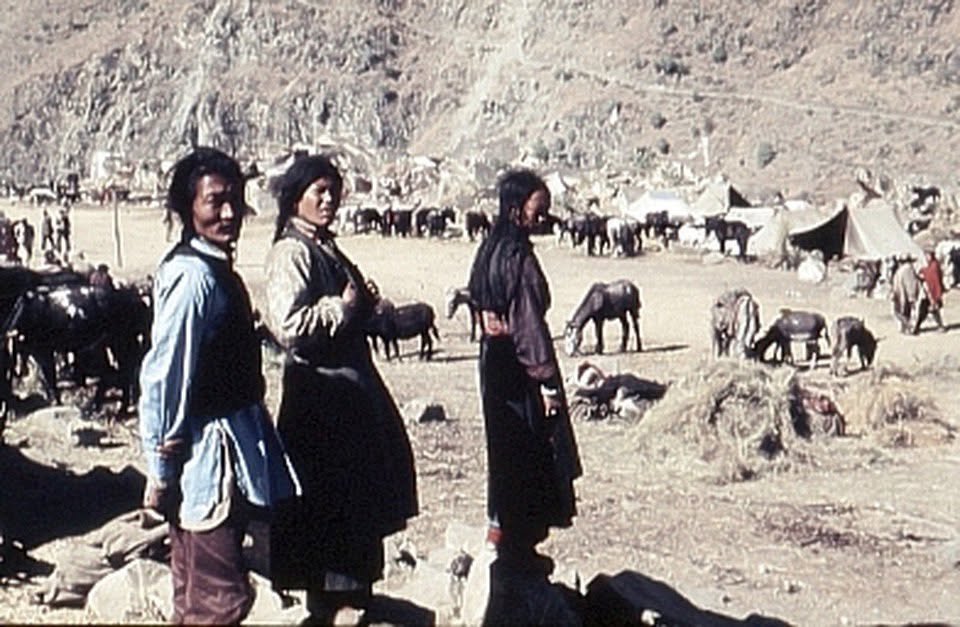
The Rajas of Mandi, Suket, and Bilaspur were invited to attend the fair.According to available accounts about thirty thousand people attended the fair. No faquirs or beggars such as in the frequent religious fairs held in the region were seen. Ponies, sheep, Pushmina & Puttoo (blankets), wool, charas/opium, fruits, borax, silver/gold musk amounted to Rs. 38,233 and other items like tea, salt,iron vessels etc. amounted to Rs. 30,930 were sold in the fair. The other highlights of the fair were distribution of prizes to Kangra Valley Schools and special discussion sessions were held between tea planters and traders and some important suggestions were given by hilly Rajas.Sports events, rifle shooting were organised. In 1868, 1869, 1870, 1871, 1872, and 1873 similar fairs were organised at Palampur.
VICEROY MAYO ATTENDED THE FAIR
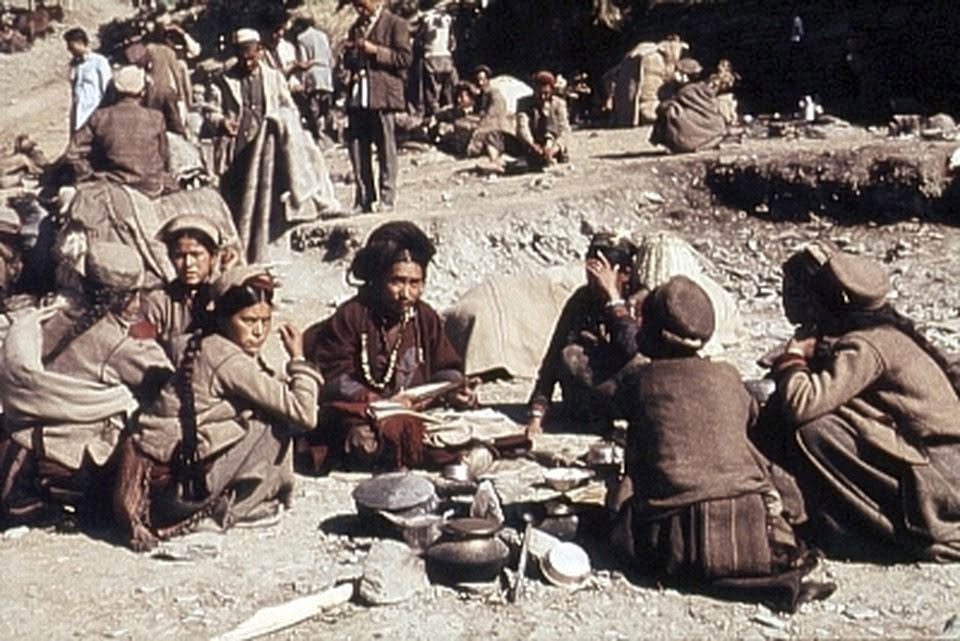
The Viceroy and Countess Mayo attended the fair in 1871. The traders/dealers who attended the fair were chiefly from Leh, Ladhak, Kashmir, and Ladakh, Bukhara, Kokand, Turkestan (Xinjiang), and Eastern Turkistan (Yarkand), Kangra, and neighbouring districts of Jallandhar, Hoshiarpur, Amritsar, Gurdaspur, Ambala, and Saharanpur. The Central Asian traders brought carpets, wool, jade, ornaments, borax ,opium and charas.
In the initial fairs McLeod F. Donald, who was the Lieutenant Governor of Punjab, took keen interest in making the fair a success. In 1871, no Yarkand traders were present whereas the import from Yarkand was amounting to Rs. 35,653. In 1873, two Yarkandi merchants attended the fair. In the subsequent years, the fall in trade was seen due to restrictions by Russians and Chinese and due to transportation problems through passes. In the fair, English goods, country cloths, and metal vessels were the articles most in demand.
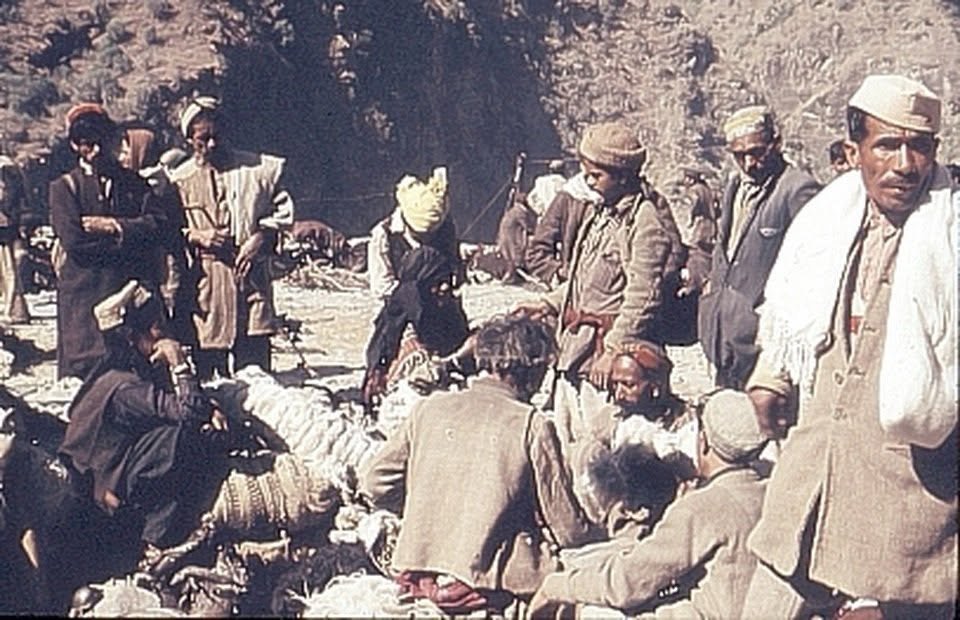
The Lavi Fair at Rampur and Palampur Fair under British rule showcased the visionary approach of our rulers to strengthen the economy of their respective regions. After 1962, the trade route with Tibet was closed. Despite that, the Lavi Fair is still held with the same enthusiasm whereas the people of the state and country were not aware that Trade Fairs were ever organised by Britishers at Palampur, the “Tea Capital of Western Himalayas.” It is for the planners and politicians to initiate a proposal to again start a fair in Palampur to revive Kangra Tea Industry and boost to the local economy.
Credit-Scenes from the Lavi Trade Fair were taken from the Facebook page of Dr. Klaus Dierks who clocked the beautiful pictures of the fair in 1960. The pictures of Palampur is from internet.
Vinod Bhardwaj
Honouring the Past. Illuminating the Present.