“WHERE STONES SPEAK THEIR OWN STORIES”
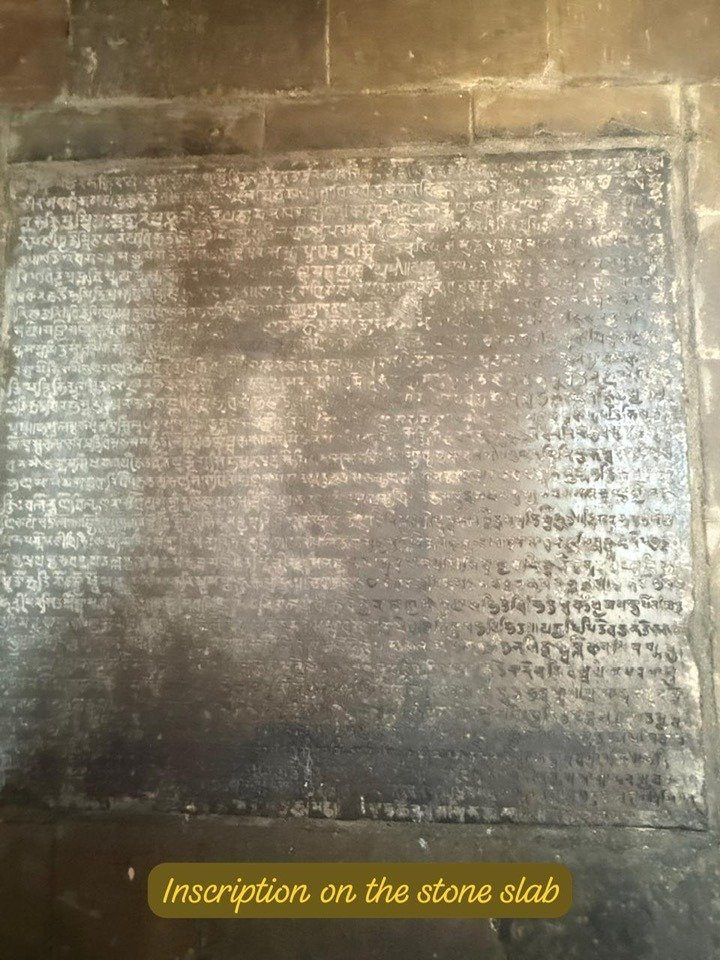
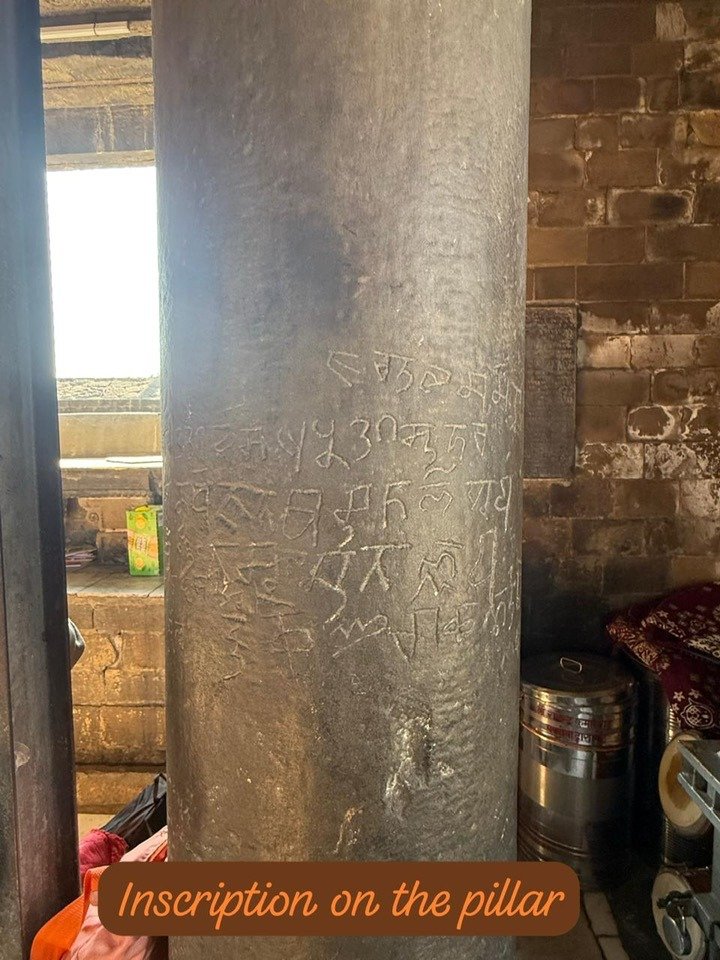
The two inscriptions on the slab inside the Mandap of Baijnath temple in Kangra, Himachal Pradesh, are important sources of information that shed light on the glorious history ,culture and heritage of the Trigarta now known as Kangra Valley. Baijnath was originally the name of the temple only, the village in which it is situated being called Kiragrama. The name Baijnath is derived from Vaidyanatha (Lord of physicians, Shiva).
Alexander Cunningham described the inscriptions – the southern slab has 34 lines and the northern wall has 33 lines. Later, the date of construction was calculated to be 1204 CE. The slab, written in Sanskrit, provides accounts of two wealthy merchant brothers, Manyuka and Ahuka, who constructed the temple of Shiva where the Lingum of Vaidyanath existed, shelterless and exposed to the elements.
Both brothers were devout worshippers of Shiva. They also referred to four of their predecessors – Siddha, Kabila, Pahila, and Sahils. The inscriptions provide details of donations, names of masons/architects, and the poet Rama who had written the text engraved on the stone.
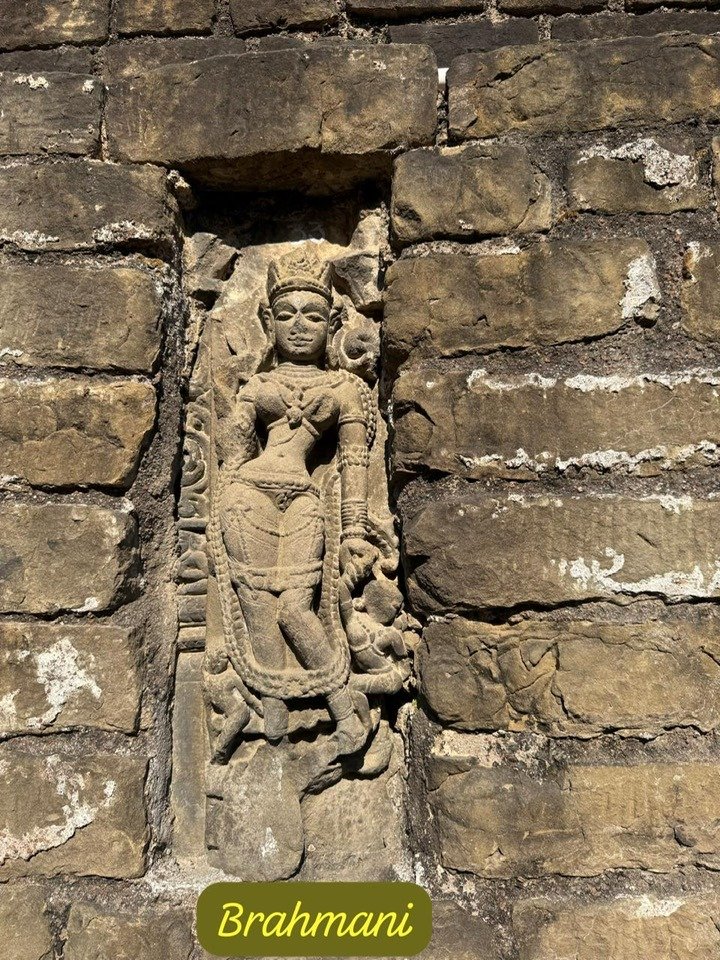
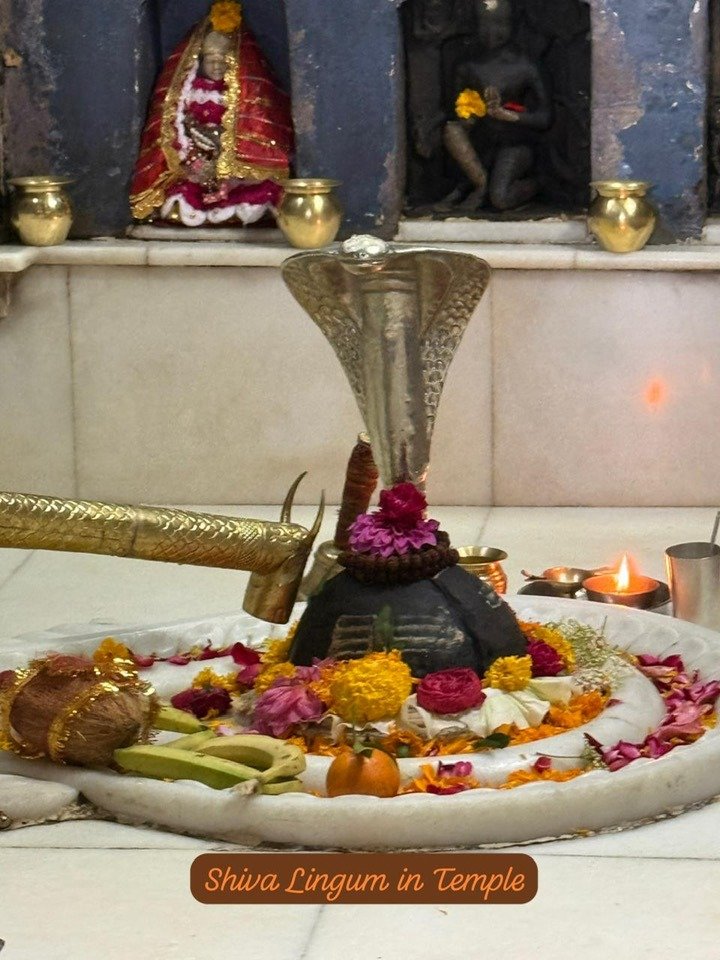
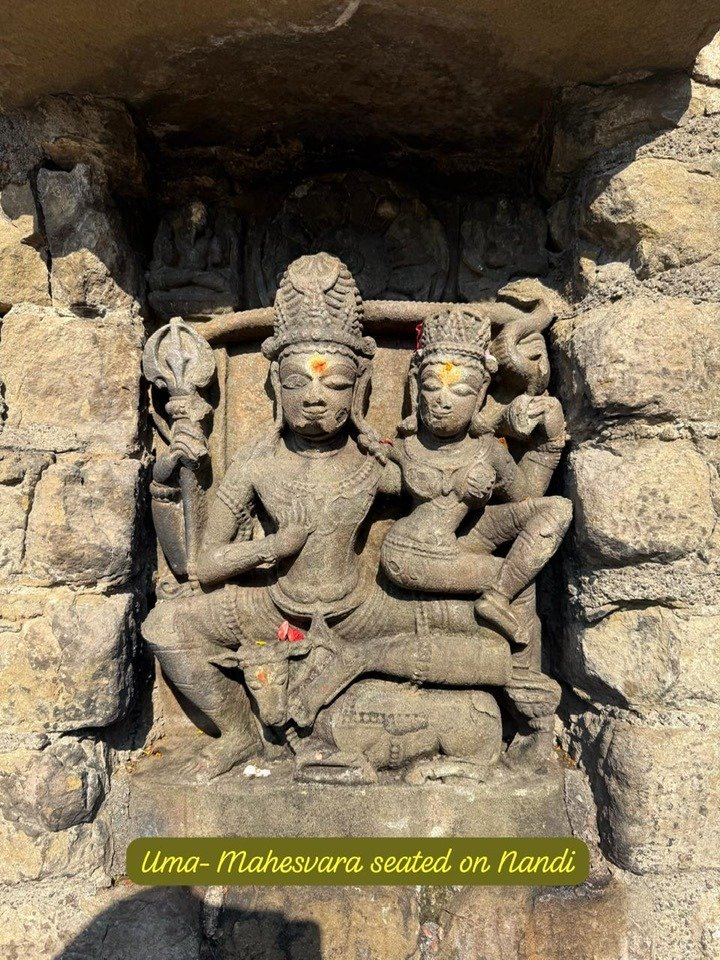
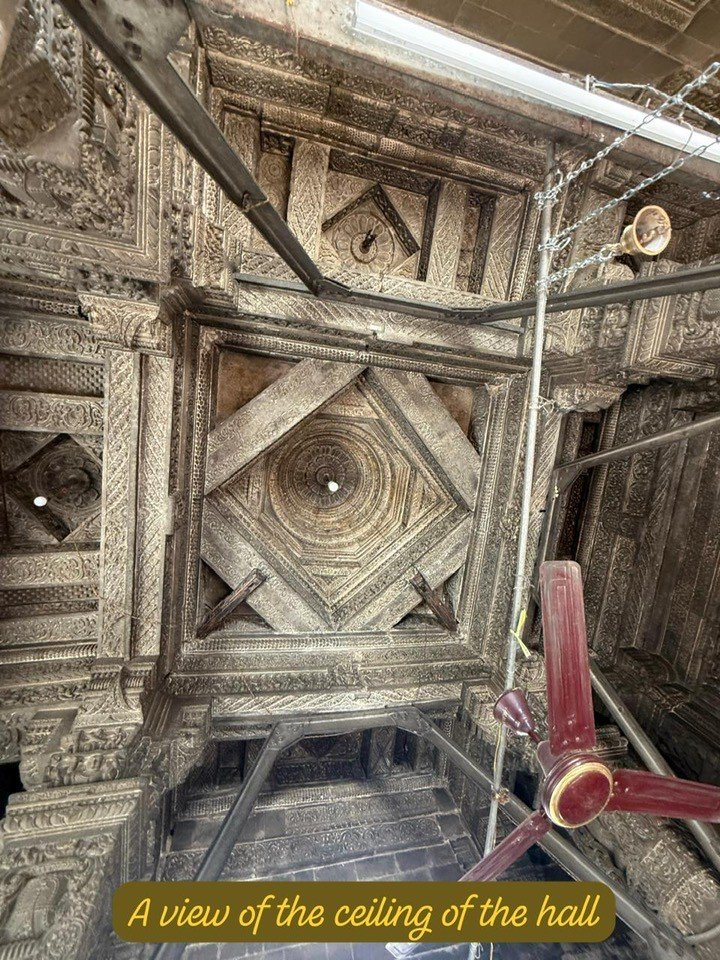
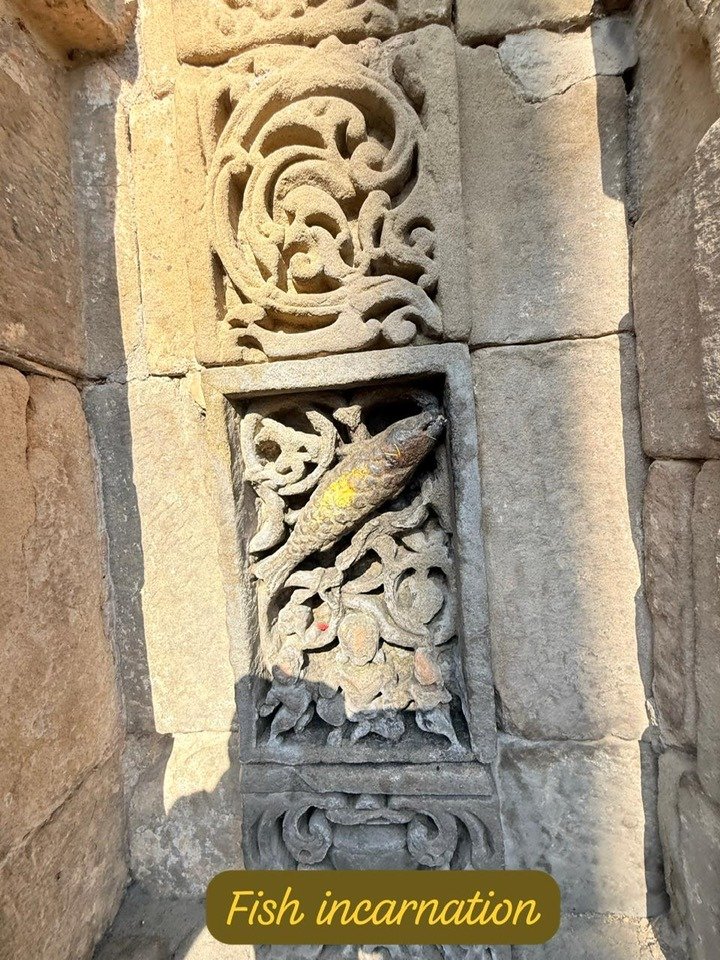
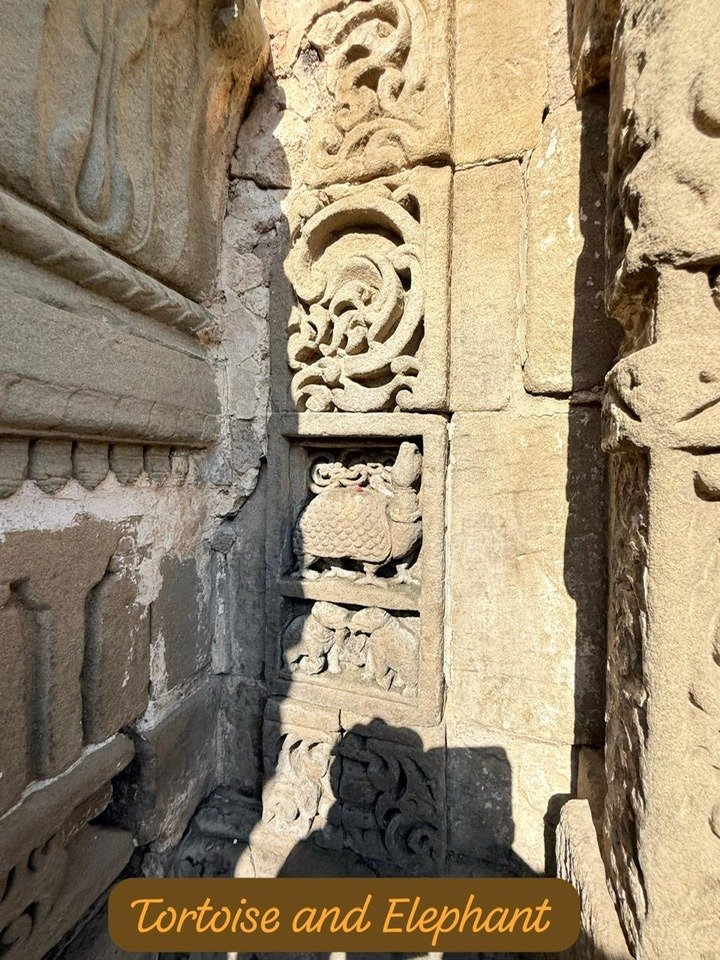
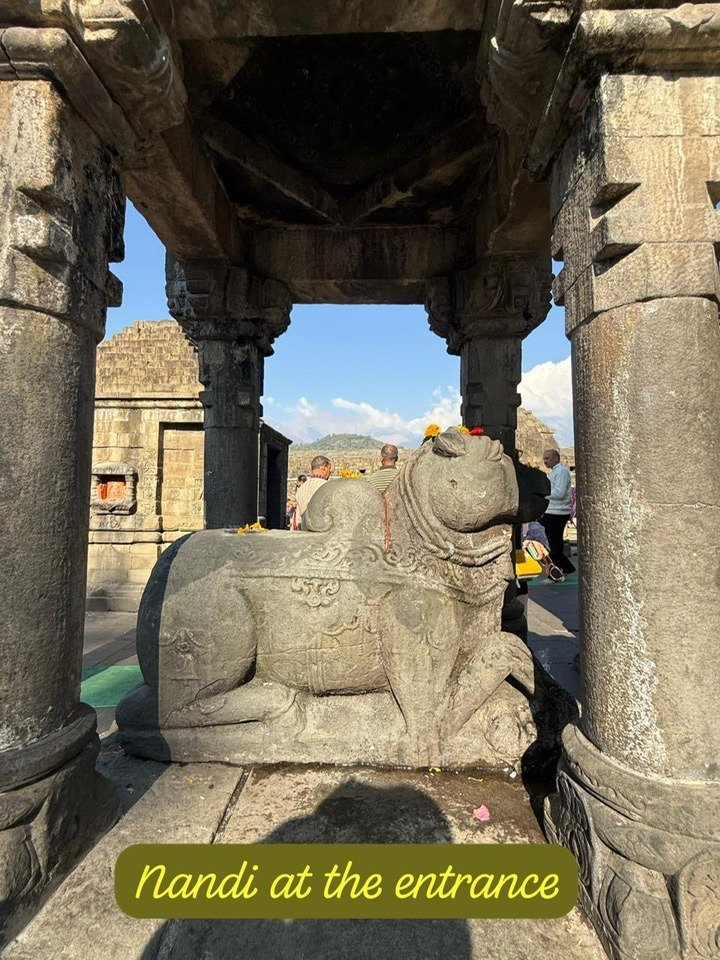
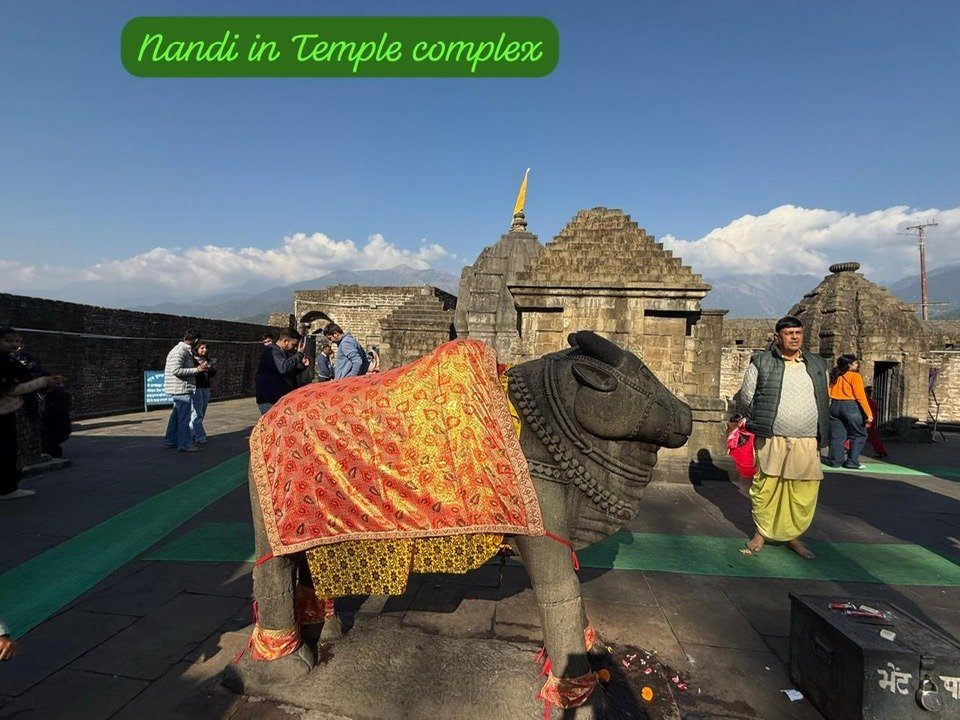
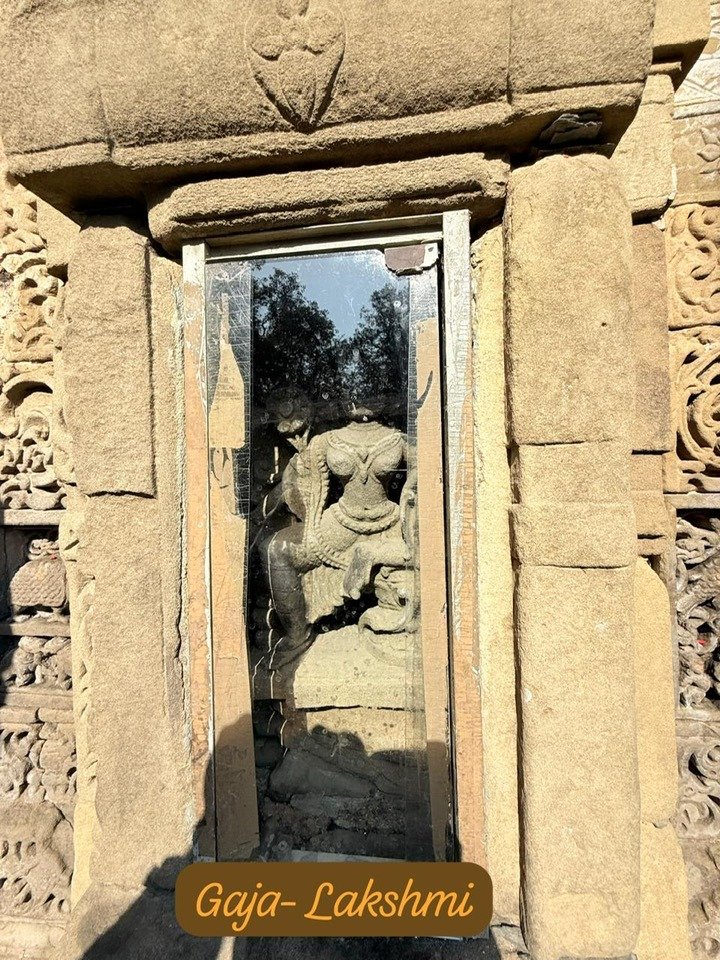
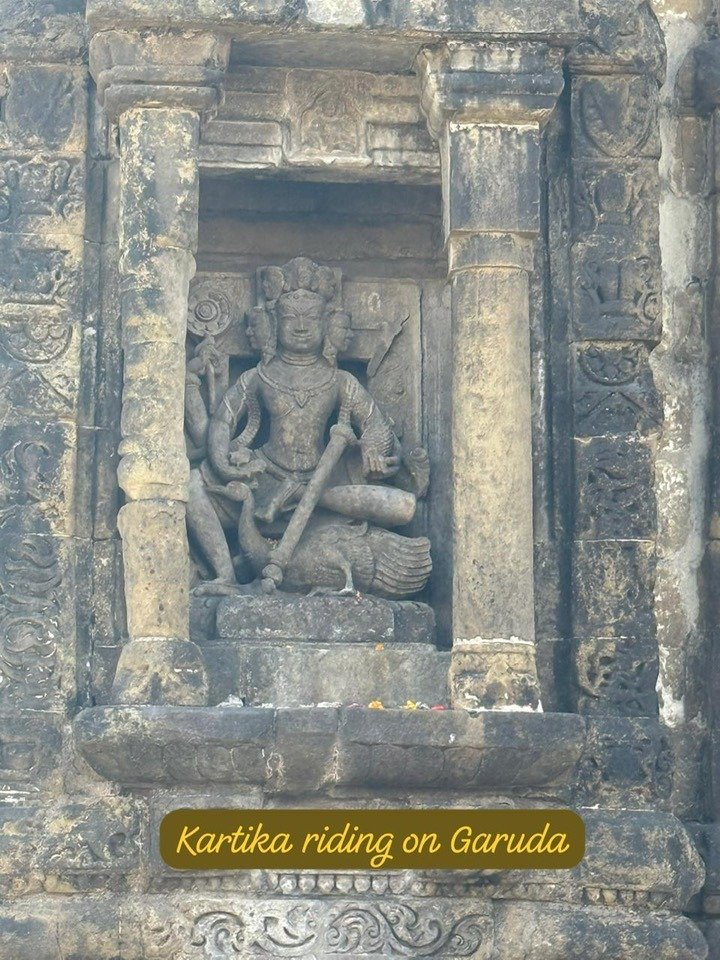
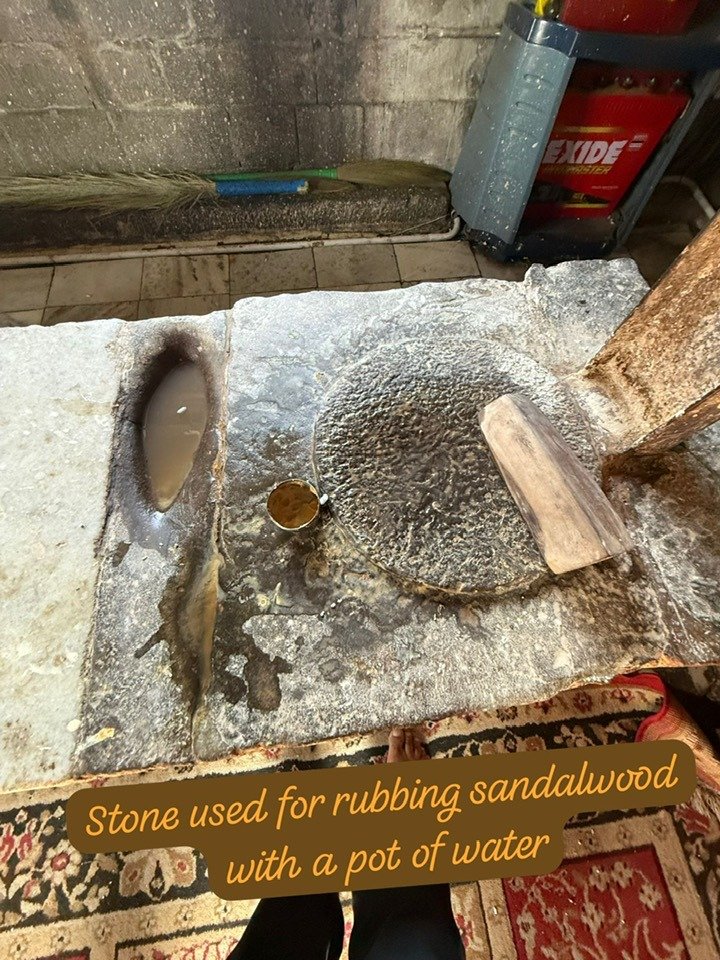
At the time of construction, Lakshmanchandra was the ruler under the Raja of Jalandhara and Trigarta. The earthquake of Kangra on April 4, 1905, also caused damage to the temple, which was reported by J. Ph. Vogel.
*Dussehra not celebrated-at Baijnath*
According to mythology the place is associated with Ravana. The Dussehra festival is not celebrated in the town of Baijnath as an ark of respect to the devotion of Ravana towards Siva. People do not burn the effigies of Ravana, Kumbhakarna, and Meghanatha. People of the place visit nearby place Paprola to celebrate Dussehra festival.
*No Goldsmiths Shop*
In Baijnath there is no shop of goldsmiths as Siva hated gold.
In 2018, detailed research work was done by Prof. Dr. Devendra Handa, a well-known Indologist. The history and other minor details are available in his book “A Holy Jyotirlinga – Vaidyanatha-Shiva Temple Baijnath”.
From the centuries where the stones seem to narrate their own tale through intricate carvings and inscriptions. It’s a reminder that history and culture are often hidden in plain sight, and even stones can whisper their stories to those who listen.
Today this is an important destination but there is no book or pamphlet available at the place which can give authentic information about the place. The pundits are unaware about the history.