On January 30, 1948, Shimla was stunned to hear the shocking news of Mahatma Gandhi’s assassination in Delhi. Immediately, shops and markets were closed, and the entire town plunged into darkness. The Tribune reported: ‘Groups of people in tears were seen standing on the roadside, bemoaning the irreparable loss that India had suffered at this critical stage of history.’ The town observed a three-day mourning period.
On January 31, a mile-long procession, unique in Shimla’s history, took place to mourn the greatest loss the country had suffered in a century. The procession was headed by a token bier carrying Gandhi’s portrait, followed by ladies weeping and crying. Thousands of citizens lined the route, many wearing black badges and carrying black flags.
A grand gathering was held at Siri Guru Singh Sabha Gurudwara, Shimla, on the day Gandhi’s ashes were immersed in the rivers of the country.
*Mourning in Sirmaur State*
The Sirmour State also mourned Gandhi’s demise, declaring a one-day hartal and closing all private offices, courts, and educational institutions.
*Gandhi’s Legacy in Shimla*
During his first in 1921 visit to Simla Gandhi ji wrote an article titled, “Five Hundredth Story.” In which he wrote about the scarcity of water,houses in the town and he criticised the Imperial Government running from such height.”
In 1920 Gandhi ji, declining to travel in a class higher than third, said “ I can no more effectively deliver my message to millions by travelling first class than the Viceroy can rule over the hearts of millions from his unapproachable Simla heights.”
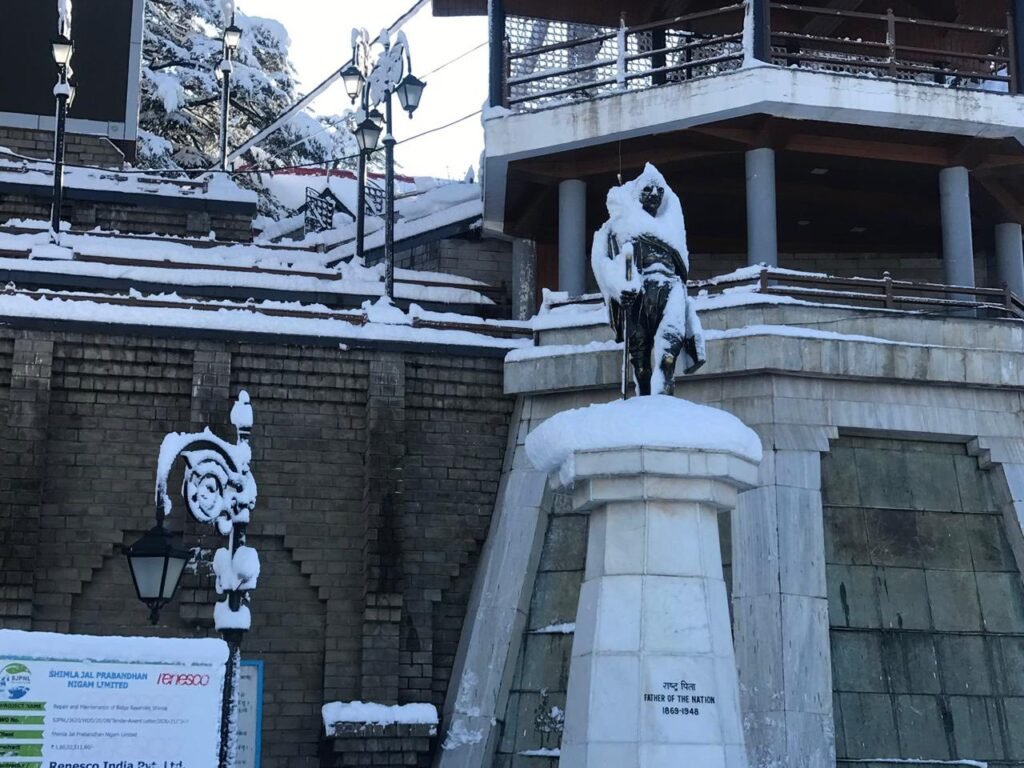
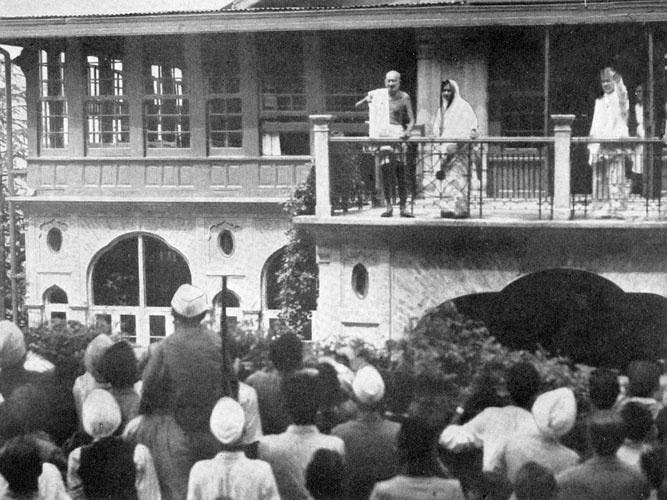
Gandhi had visited Shimla ten times between 1921 and 1946. A statue was installed on the historic Ridge Maidan on October 2, 1956, in his memory. Gandhi had addressed a public meeting on the Ridge on May 14, 1931.
*A Fitting Tribute*
Renaming the Ridge as Gandhi Maidan would be a fitting tribute to Gandhi’s contributions to India’s independence. The Ridge is a significant location in Shimla, and renaming it after Gandhi would be a way to honor his memory and legacy.
Vinod Bhardwaj
Honouring the Past. Illuminating the Present.