A HERITAGE BURIED UNDER SAND
In the Imperial period the Europeans living in Simla ( later Shimla)and visitors coming from abroad preferred to explore the countryside. They surveyed the entire Western Himalayas, documented the history ,culture and heritage which became the base line information for future research projects. The beautiful places nearer to Simla are their favourite camping sites. During summers they preferred to visit via Naldera to Suni on to the banks of Sutlej, where the traveller can see the head-works of the electric supply station at Chaba, float down the Sutlej on ‘musacks’ or inflated buffalo skins, and bathe, in the wonderful sulphur springs on the river bank at Tattapani an ancient religious place.
SPIRITUAL HOME OF JAMDAGNI RISHI
Tattapani literally means “Hot Water” was the spiritual home of Maharishi Jamdagni, donated pure healing hot springs as a sign of honour and bravery to his younger son Rishi Parshuram and for the coming generations. Tattapani is well connected from all sides by roads. The local residents,domestic and foreign tourists visit Tattapani by road from Shimla and far away places to have bathe in the sulphur springs. Every year in the month of January on Lohri and Makar Sakranti a big fair held at Tattapani. On every Saturday people came here for an ancient Hindu tradition( Tula Daan). In recent years resorts and At Homes are also opened in the area.
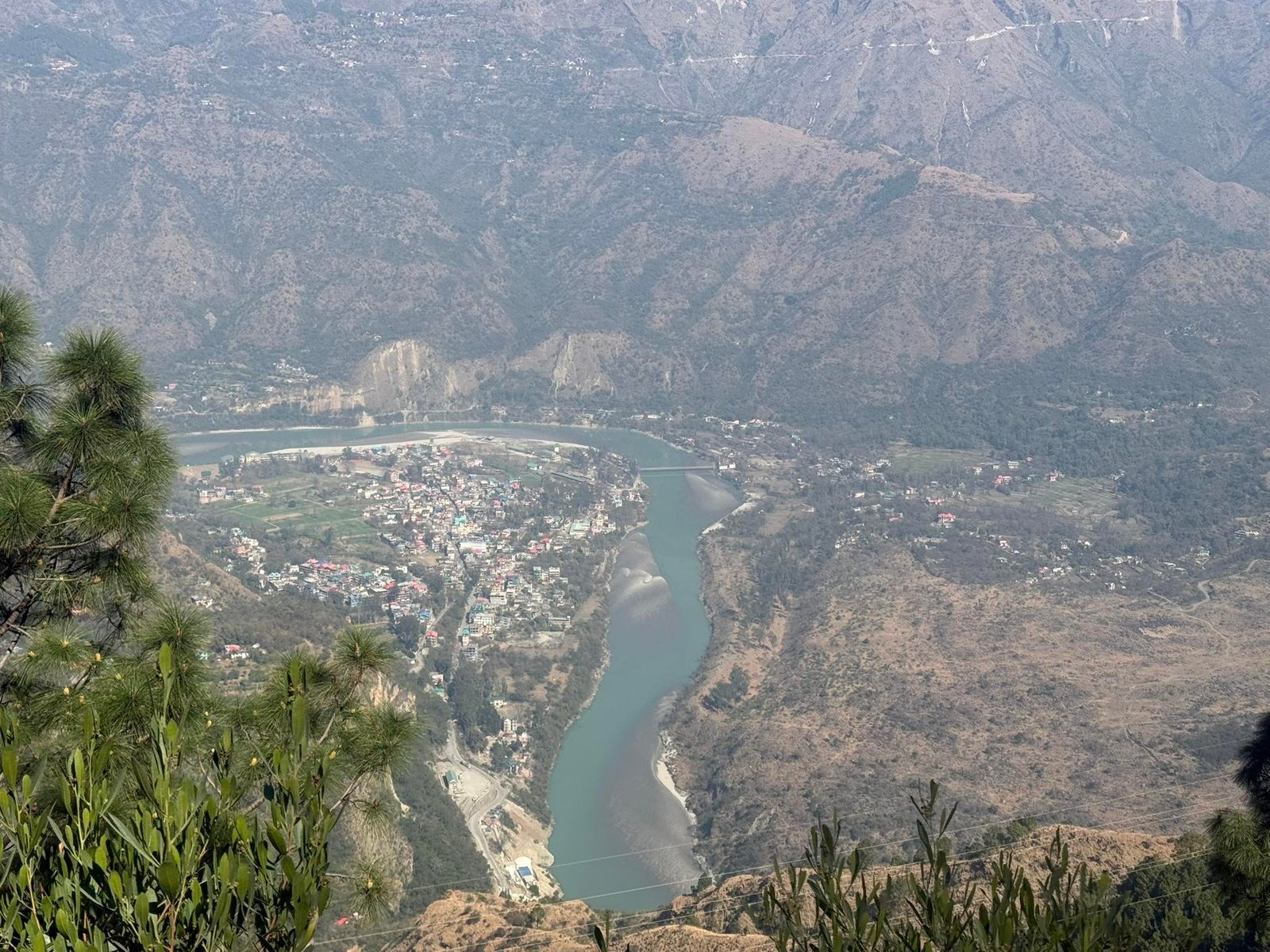
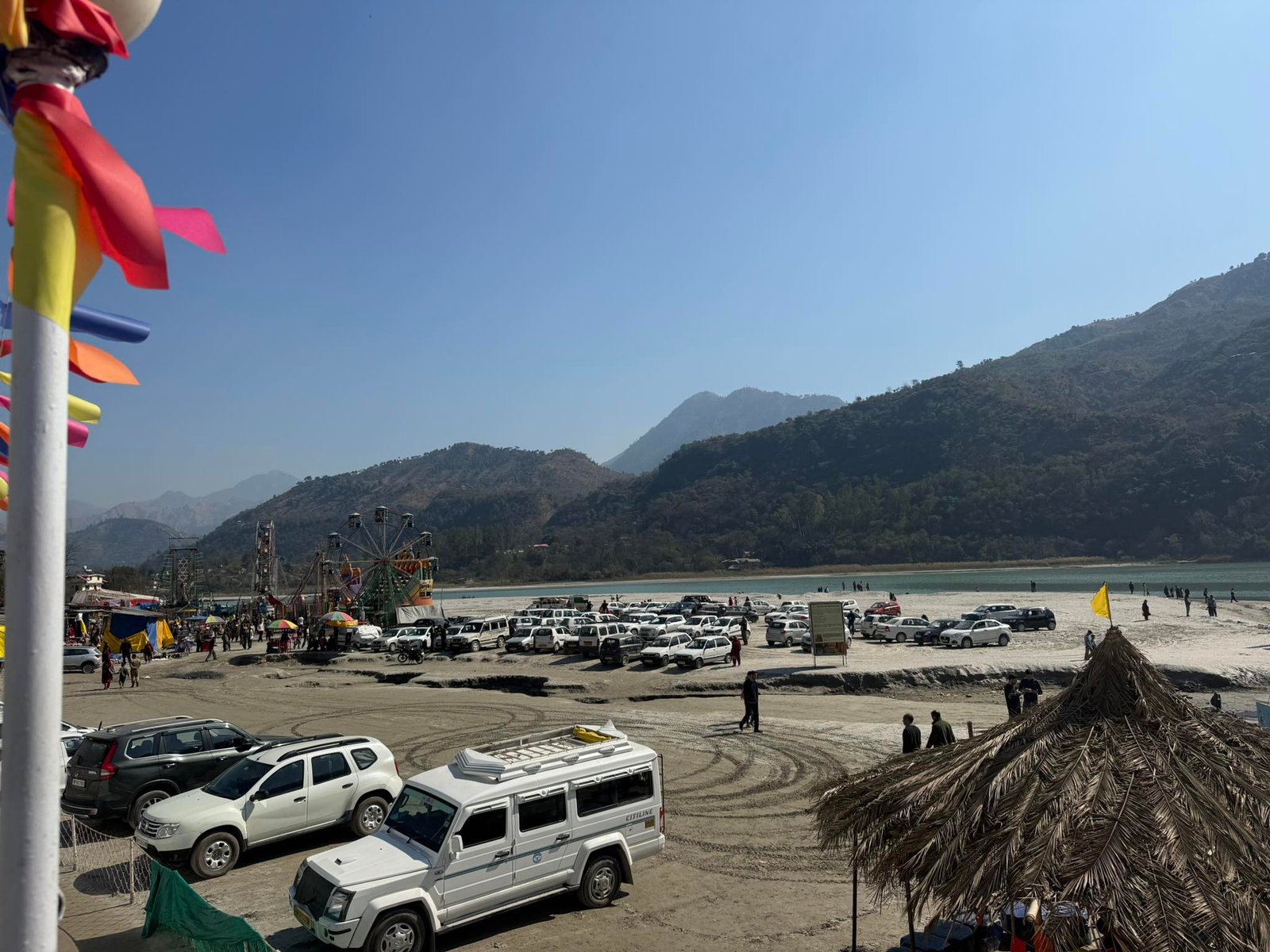
With the construction of Kol Dam on river Sutlej in 2015,the ancient sulphur springs ,temple and old bridge at Tattapani submerged due to the rise in the level of Sutlej (see photo).
Presently people bathe in the small concrete ponds (see picture)built by the local pandits and panchayat below the Shimla- Karsog road and on road side by boring well. The whole area is unhygienic and in a shabby condition which shows a lacklustre approach of the successive governments and administration particularly Tourism Department in developing and maintaining the ancient sacred place.
Tracing back the history of the place, Sutlej divide the Bhajji and Suket States. Suni , was the capital of Bhajji State and Tattapani falls under Suket State till the formation of State of Himachal Pradesh in 1948.
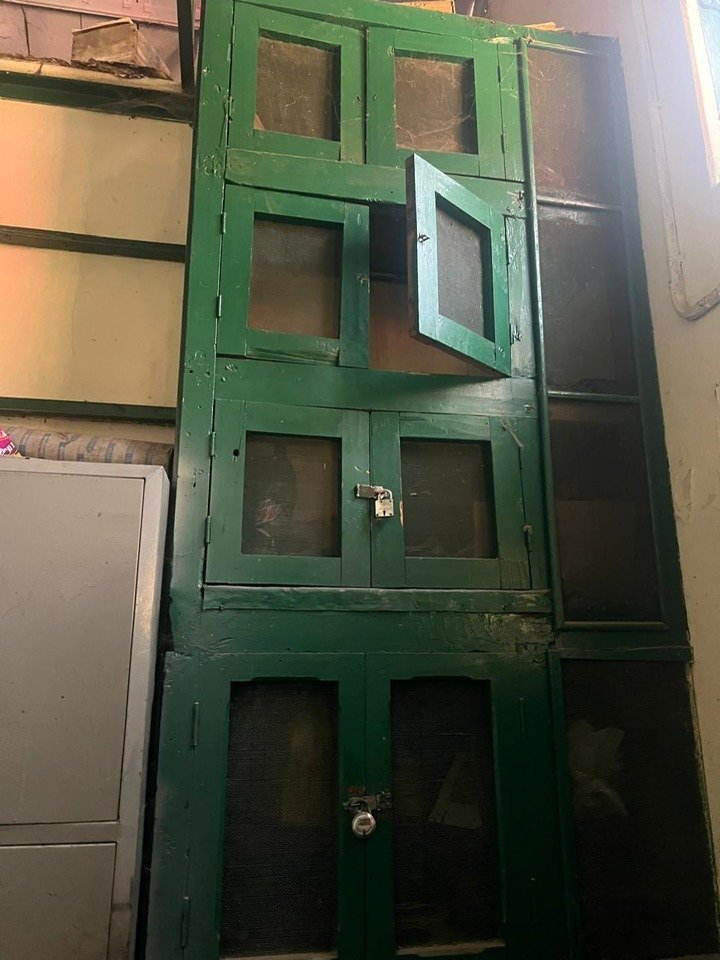
TAGORE & DR. RAJINDRA PRASAD VISITED TATTAPANI
In 1858 , Maharishi Debendranath Tagore ,philosopher,religious reformer and a leader of Brahma Sabha,Rabindranath Tagore father on the invitation of Rana of Bhajji visited Suni in the month of April. During his one week stay he visited Tattapani and had bathe in hot springs. He mentioned about the Rana,people, place , river-crossing,hot springs , Kali temple Suni and the hill economy in his autobiography.
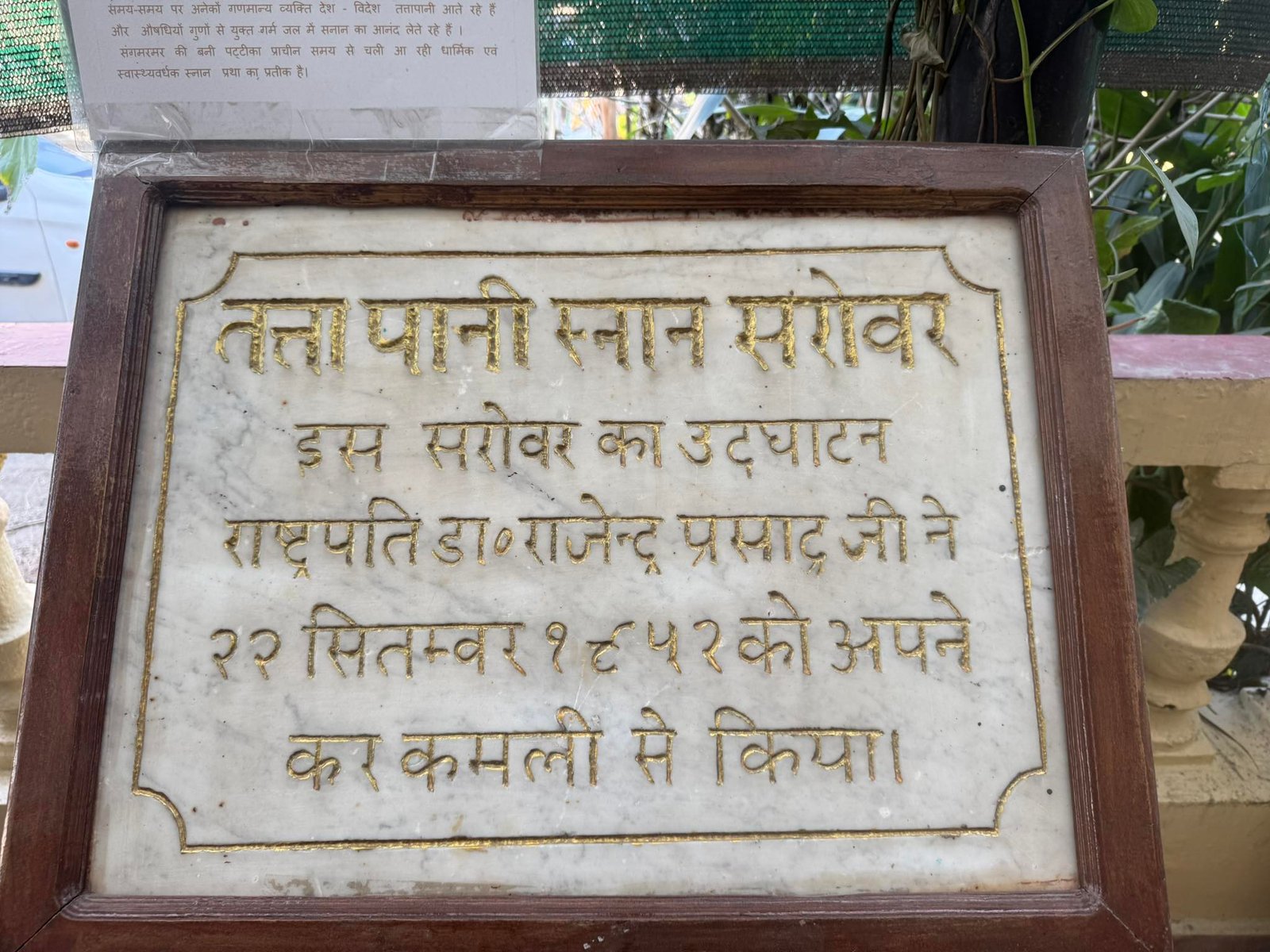
The First President of Independent India Dr. Rajendra Prasad during his visit to Simla visited Tattapani in September 1952 and inaugurated the Hot Spring Ghat. The ghat was submerged and the plaque was preserved by management of the Hotel Hot Spring Tattapani on its entrance as a memento (see photo).
ELECTRICITY IN SIMLA
Simla became the Summer Capital of British India in 1864. By the 1880s Simla had electricity only in the Viceroy residence at Piterhoff and later in 1888s in the newly constructed Viceregal Lodge through a generators bought from England. The electricity was not sufficient to light up the whole Lodge. To light up the Summer Capital of India and to have regular supply of water from Churat Pumping station ,British authorities decided to set-up a hydroelectric project in the vicinity of the town. In 1892 Messers Siemen’s engineers were approached for survey-and they later handed it to the municipal waterworks for execution due to the escalation of cost. After due deliberation Chaba was selected for hydro-power house site whereas Nauti Khud water for reservoir.
The work on the1.75 kilowatt Chaba Power Project was commenced in 1909. The reservoir for the plant was build above Chaba about 450 feet long by 120 feet wide and 12 feet in depth at a cost of one lakh ,hold capacity of water nearly seven million gallons. The road via Dhalli, Mashobra, Devidhar up to Chaba was specially constructed.
The machinery and other equipments were imported from England and transported to Chaba on the backs of Indian coolies from Simla Railway Station on the newly constructed road. Two and a half miles from the power station are the head-works on the Nauti Khad, whence water has been trained for two and half miles is led through a concrete flume along the open hill side through tunnels to a reservoir. The water for the purpose of driving the turbines was carried in a vertical fall in five great iron pipes 540 feet down the mountain side to the power house.
CAPTAIN B. C. BATTYE – MAN BEHIND THE PROJECT
Captain Basil Condon Battye later Col. of Royal Engineers had taken charge of the Hydro-Electric Scheme Chaba. Battye was placed on special duty to work out the technical details of a scheme proposed by Major-General Beresford Lovett, R. E. He was genius and during the First World War, he invented a hand grenade that became famous as “*Battye Bomb*” and was used in France.
Captain Battye, assisted by Khan Bahadur Abdul Ahad, Executive Engineer and Mr. F. I. Milne, Electric Engineer and his staff performed a wonderful piece of work during the three years they were engaged on the scheme.
Later,Col. Battye ,designed the Shanan hydropower Project in Jogindernagar which was commissioned in 1932. The Shanan project was officially opened by the Viceroy of India Lord Willingdon on March 10,1933 at Lahore. The 1.75 KW Chaba and the 48 MW Shanan Project are the oldest Hydro-electric powerhouse of India which lighted Simla and Lahore.Chamba town had electricity much earlier than Simla , Summer Capital of British India and Lahore, the then capital of undivided Punjab, before Partition. The Bhuri Singh powerhouse, on Saal rivulet on the outskirts of Chamba, was the first hydel powerhouse in the northern region. Commissioned between 1908-10.
SIMLA LIGHTED ON JULY 15,1913
July 15,1913 was a red letter day in the history of Simla when the Viceroy Lodge at Simla was completed lighted up. The old kerosene lamps which so inadvertently lighted the roads gave place to the brilliancy of the new electric lights.
It was the engineering feet in hills which later paved the way for making Himachal Pradesh a Hydro -Electric Power State of the country.
The initial cost of the scheme was approximately thirteen lakhs of rupees. At one time about 2,000 men were engaged on the works, the labour being mainly supplied by gangs of Pathans from the frontier, men from Bushahr State, and Baltis from Lake District. The local people were not regularly available as they were busy in there farms and other occupations.
The Chaba had opened with three generators producing total of 750 KW. Initially,the Simla residents were charged one rupee per month for every light point in the house. Municipal authorities raised the rate from four annas a unit to six annas in 1923.
It was said that during the night Simla looks like a fairy land as row of lights of bazaar ,locality and houses on slopes looks like twinkling stars in the sky.
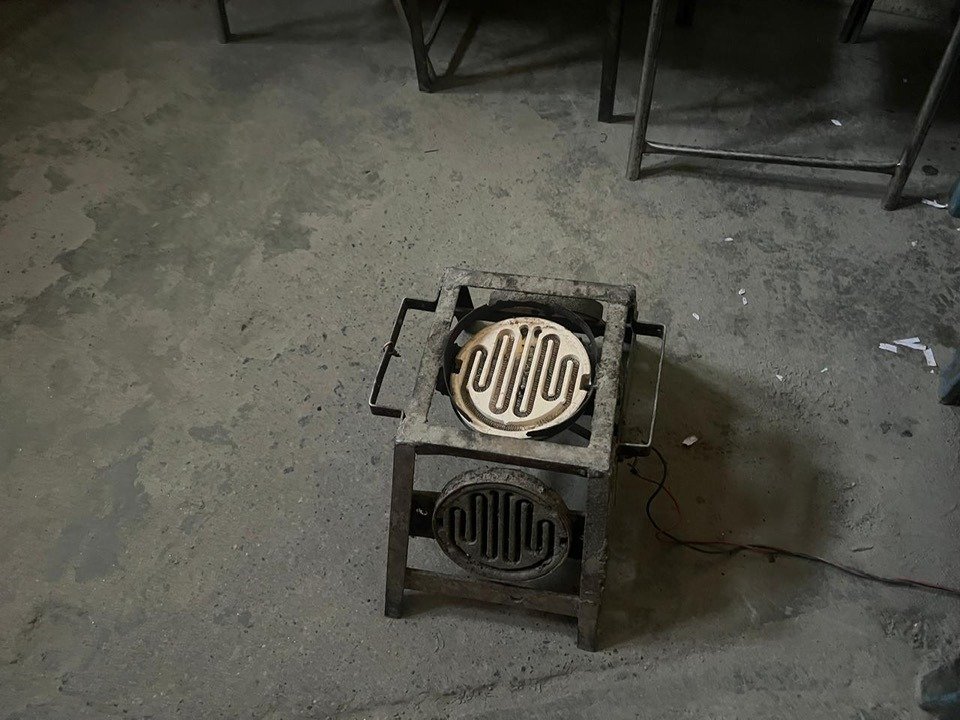
The whole Mall Road was lighted with a supply from Chaba Power Plant. With in few years the electric heaters imported from England became popular among the elite of the town.
Later in 1916 fourth generator of 500 KW and fourth of the same capacity was added in 1920s, increasing the capacity to 1.75MW.
In Simla town the majestic electricity poles with heavy cast iron frame were installed. Some are still seen on the roads. In Sanjauli, Chotta Simla, Mall Road , Summerhill , Idhgah transformers installed and Electricity Sub Offices were opened.
A HERITAGE BURIED UNDER SAND
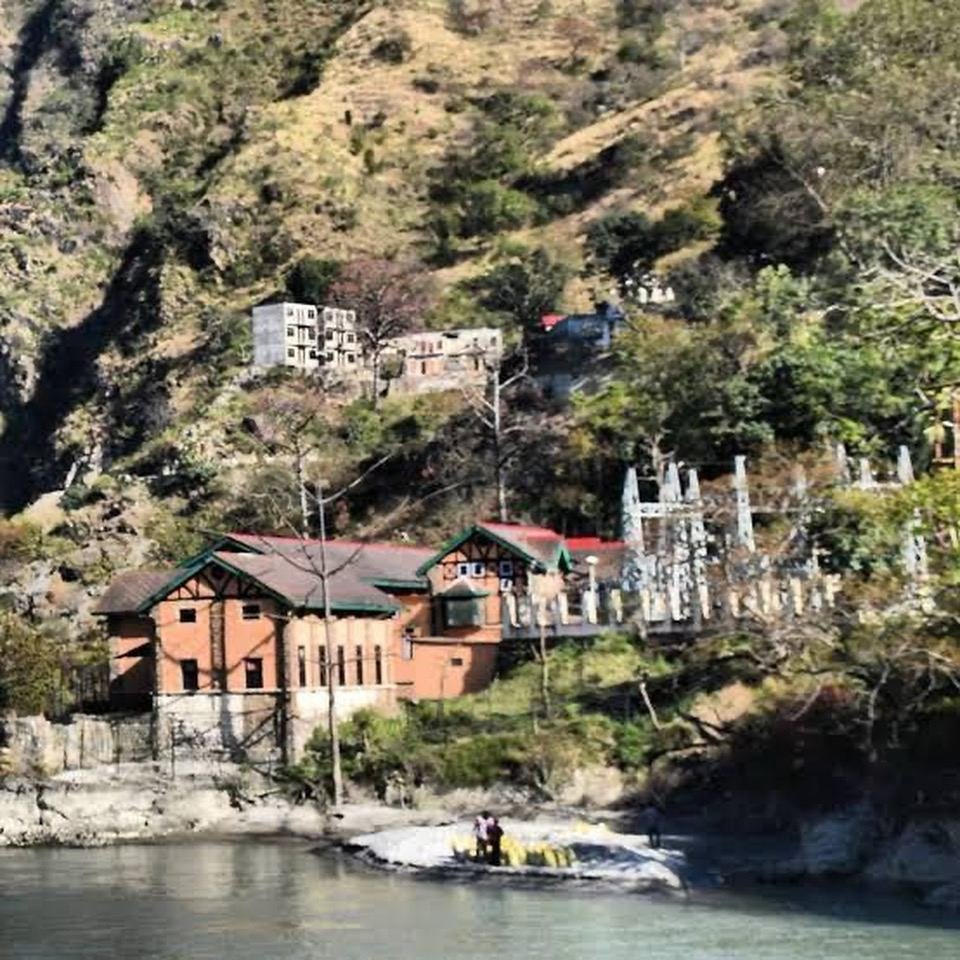
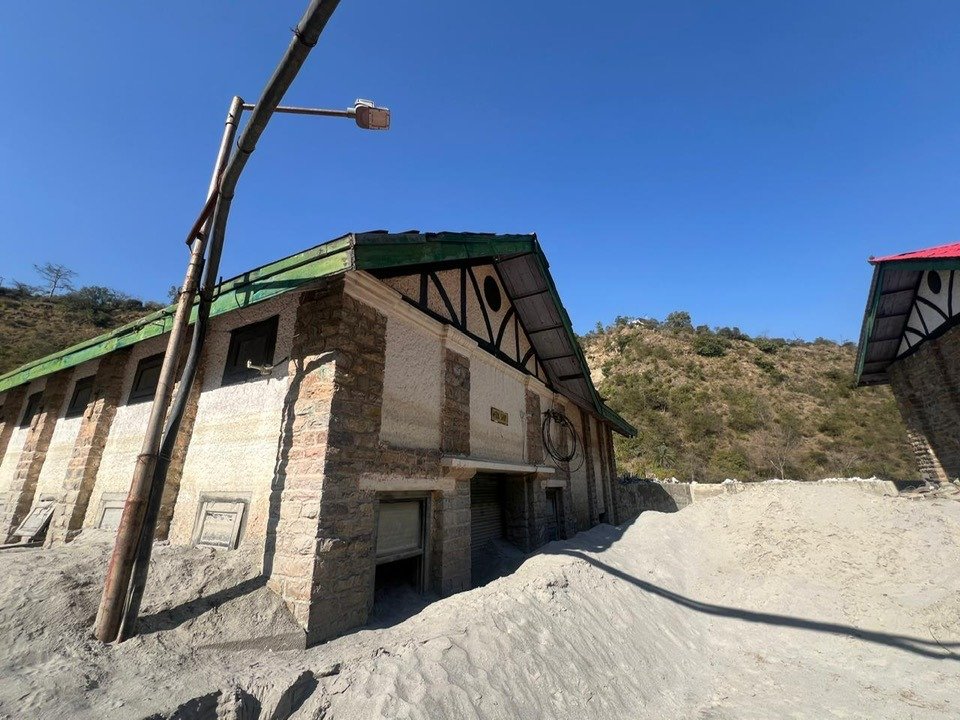
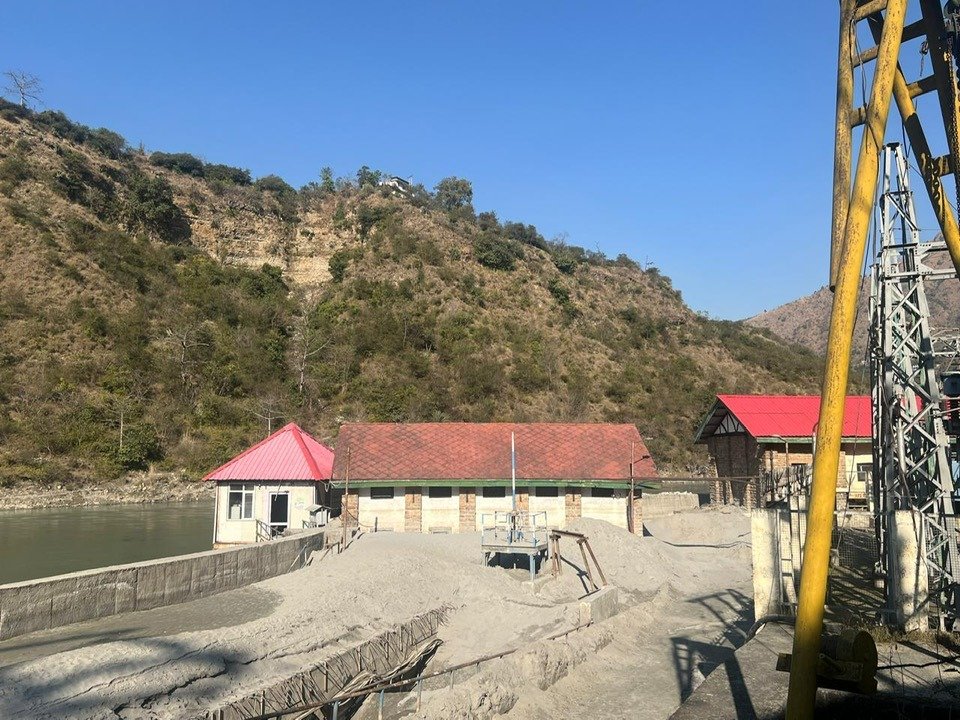
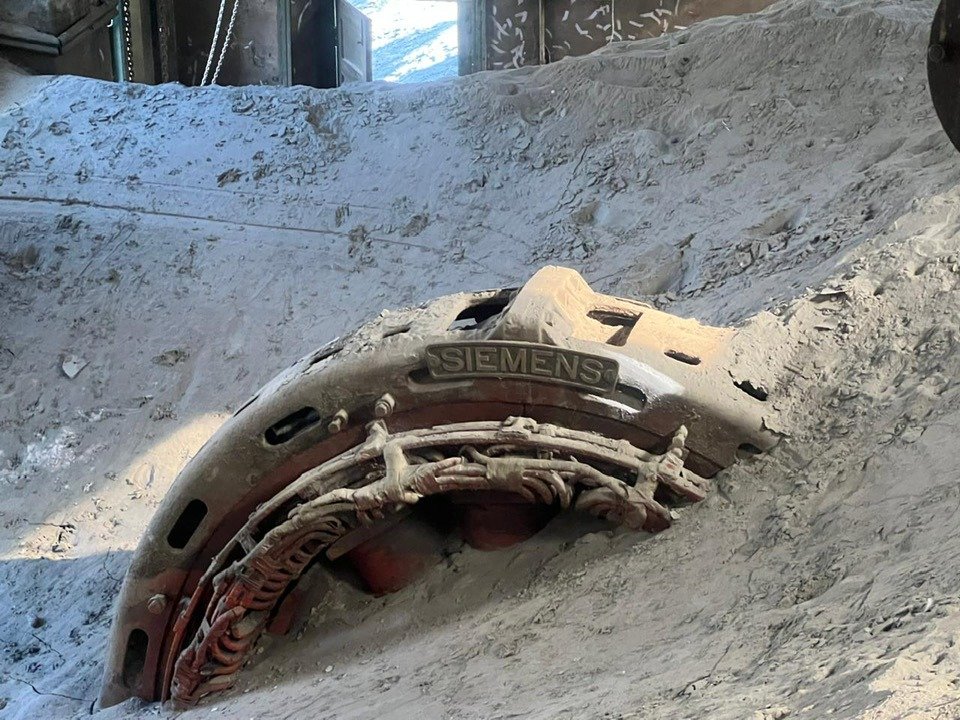
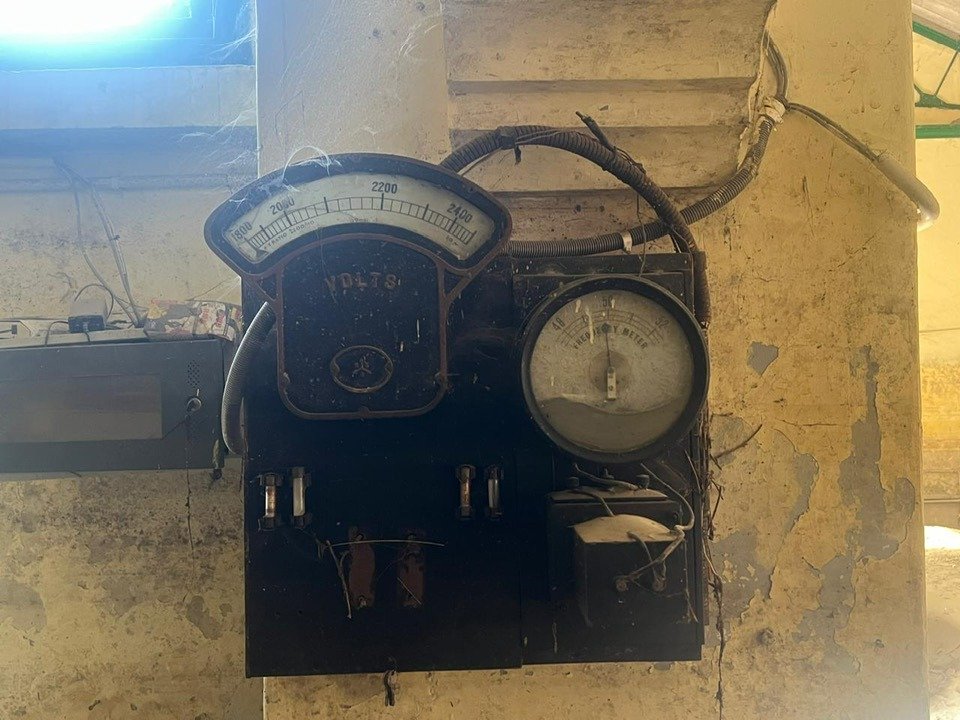
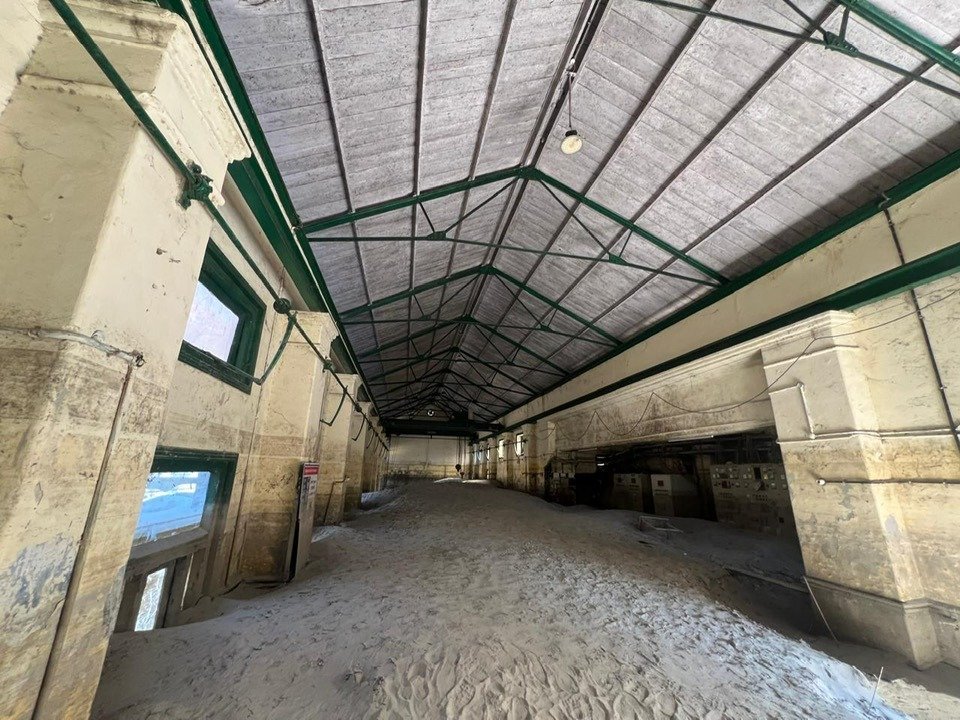
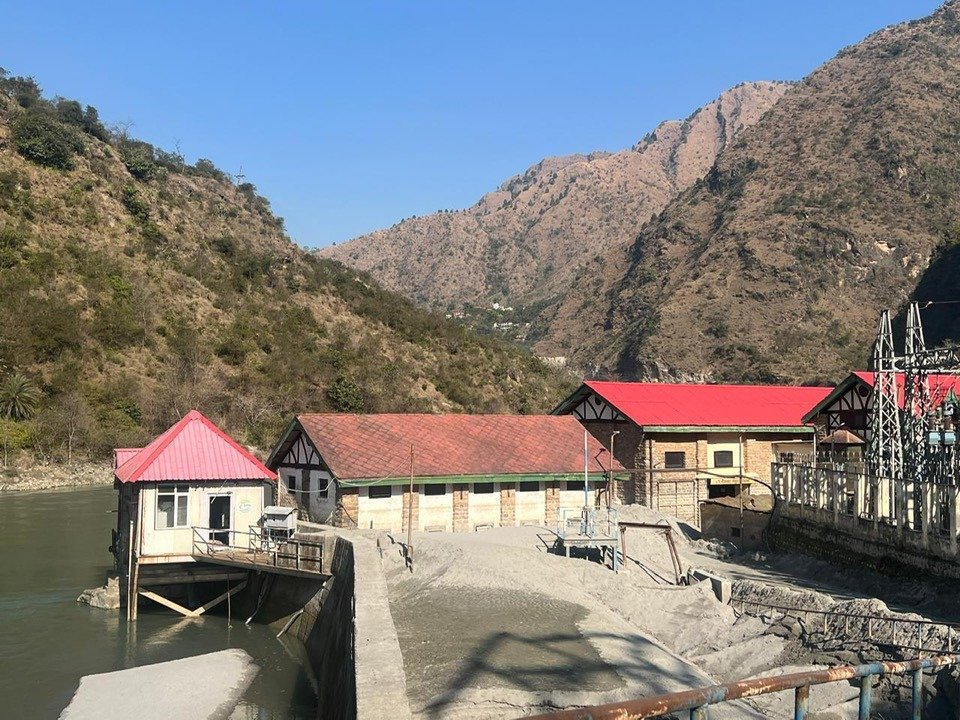
The heritage that lit up Shimla in 1913 is now buried under sand. The turbines and switch stations are peeking through the sand, as they’re telling people to save them. In my resent visit to Chaba ,it’s heartbreaking to see this historic project, built despite tough geographical conditions, lying in darkness. The one that once lit up a city is now crying alone in the dark. Today, it seems to have no owner. The heritage items either lost in gussing waters and remaining lying scattered.
Colonel Battye who designed and developed it, and the thousands of Indians who brought machinery and other equipment to this inhospitable place on their shoulders with great difficulty from the Simla railway station must be crying too in heaven. Seeing this, it seems that there’s no one to maintain and restore this valuable heritage; it looks abondoned.
Those who designed and built the 800 MW Kol Dam on the Sutlej river in the 21st century didn’t consider the heritage side and the rise in the river’s level seriously. Now it’s their and State’s responsibility to restore the Chaba Power House, which was submerged in 2025. The man-made Tattapani lake has recently emerged as a popular adventure tourism site, boosting tourism in the area. Chaba, just 5 km from Suni, should be developed as a heritage site to promote tourism activities in the area.
A TRUE TRIBUTE
Col. Battye is an unsung hero who laid the foundation of hydro-electric power generation in Himachal. A real tribute to this genius man will be given when the turbine buried under sand starts rotating again.Captain Battye will always be remembered as one of Simla’s greatest benefactors.
Vinod Bhardwaj
Honouring the Past. Illuminating the Present.