The nation is celebrating the 129th Birth Anniversary of Netaji Subhash Chandra Bose as Parakram Diwas (Day of Courage) to remember Netaji’s indomitable spirit, selfless service, and contributions to India’s Independence.
*Arrest and Release*
Netaji Subhash Chandra Bose was arrested by British police near Bombay in March 1936 upon his return from Europe. He was detained under anti-terrorism regulations. After detaining him for a few weeks in Yeravda Jail, the British administration took him to Kurseong in the Darjeeling district of West Bengal and interned him in the house of his own brother. The arrest of Netaji in 1936 was widely resented. The issue of vindictive treatment of Bose by the British government was highly condemned throughout the country, and an adjournment motion was brought in the Central Legislative Assembly. The public and political pressure forced British Authorities to release him unconditionally on 17th March 1937.
*Stay in Dalhousie*
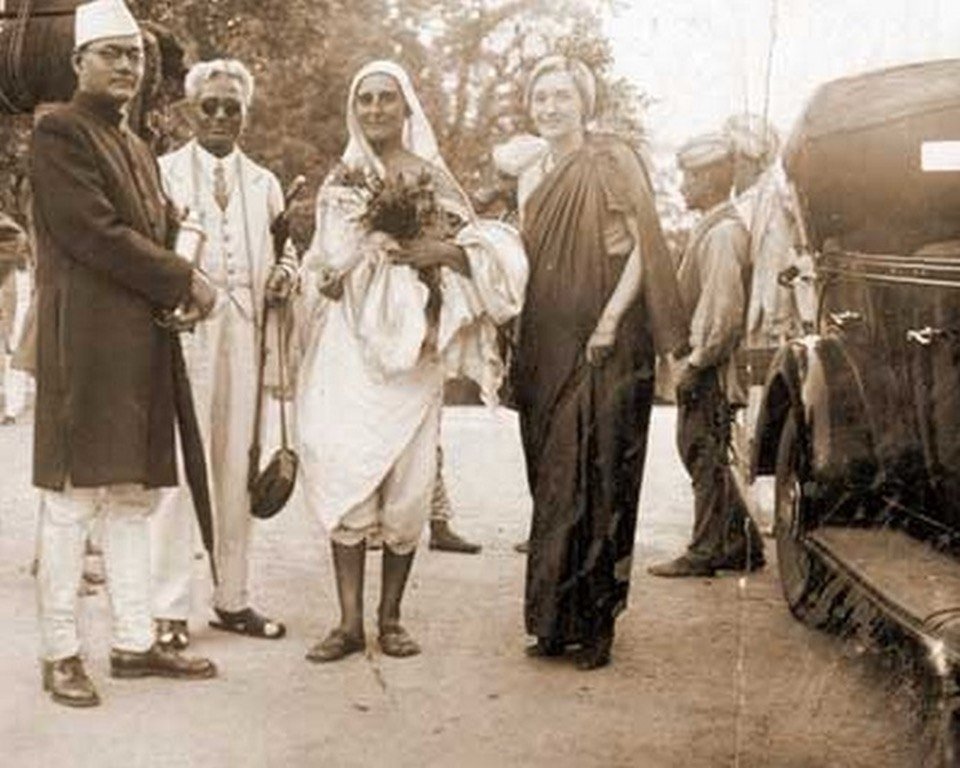
When released from jail on parole on health grounds, he chose the Dalhousie hill station for convalescing. He spent seven months beginning in May 1937. He stayed in a residential building called Kynance near General Post Office belonging to Dr N. R. Dharambir of Lahore. The house was built by Dr Dharambir in 1933. Subhash and his friends stayed with the family of Dr. Dharambir in Manchester whose English wife was very sympathetic to these young boys and became their beloved Didi.
*Subhash Bowli and Health*
Just at a distance of one kilometre from Kynance on Jandarighat road is the perennial spring called Subhash Bowli. It is said that Netaji visited daily to drink water from the natural source during his stay in the town, whose water had a curing effect on him. Now the water source has dried. Mahatma Gandhi sent Mirabehn( Madeleine Slade)to Dalhousie to enquire about his health.
*NETAJI SUGGESTED TO DEVELOP DALHOUSIE AS HEALTH CENTRE*
During his stay in Dalhousie, he wrote an article for The Tribune, which was published on July 22, 1937. He wrote – “I hope that after independence, our resource-rich water bodies and health resorts, in a systematic manner, be developed as health centres, so that we do not have to go abroad for such places in order to gain health.”
He also gave the example of the town of Bad Gastein in Austrian Alps, where there was a spa, in which people visited the humid tunnels of the former gold mine and sweated away their ailments- while breathing random gas. He further wrote: “ I have seen such water bodies in Rajgir (Bihar) and Bhuvneshwar. I have also seen a sulphur water pond near Karachi. I believe that there might be several such water bodied with their specialities in the Himalayas, which need research and development for the point of view of medicine and cure. “
*Legacy in Dalhousie*
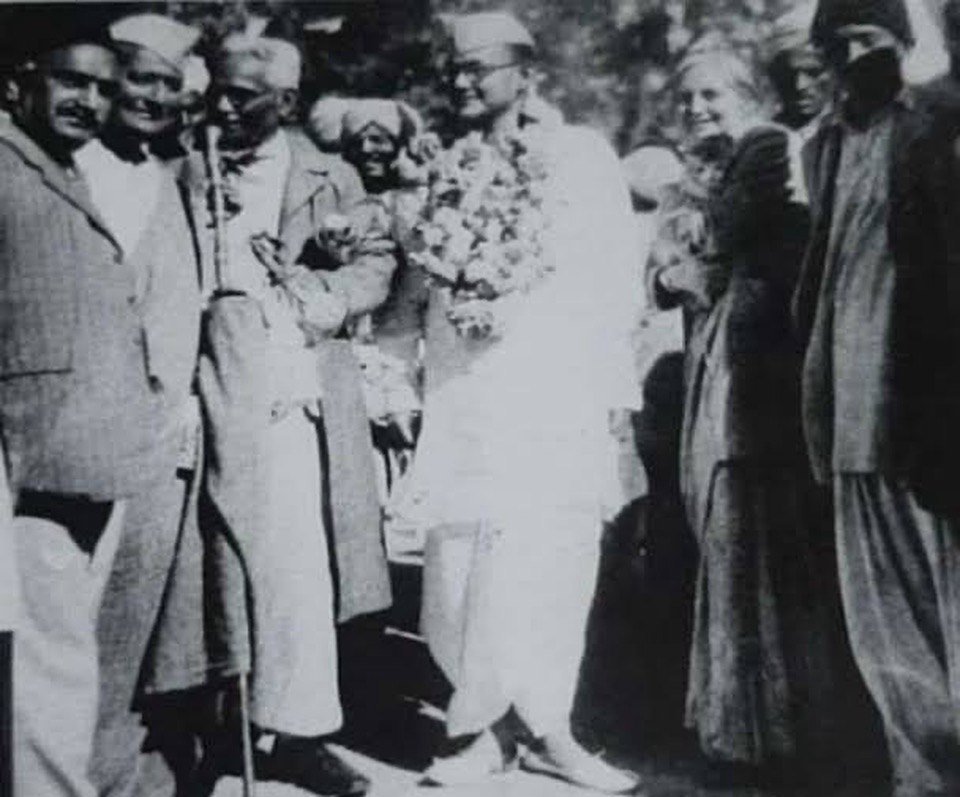
It is said that he often contemplated and meditated in seclusion and Dalhousie provided him a temporary sanctuary to reflect, recuperate and strategize his future. He spent time exploring Dalhousie after his recovery. In memory of Netaji, a statue of Supreme Commander of the Indian National Army was installed at Subhash Chowk which was earlier known as Cheering Cross.
We salute the great soul of motherland who dedicated his whole life for the Independence of the nation. Netaji and Dalhousie had a connection where today one can feel the echoes of our nation’s heroes.
*History of Dalhousie*
SANATORIUM FOR EUROPEANS NAMED BY LORD DALHOUSIE
In 1852 the Chamba State authorities were approached by British East India Company with a view to establishment of a Sanatorium for Europeans near to Punjab plains. A site was selected on the western extremity of Dhauladhar by Lord Napier. After the necessary observations, Government sanction was given in 1853 to transfer of land from Chamba State viz. Kalalagh, Potrsin, Terah, Bakrota and Bhangor in lieu of reduction of Rs 2000 tribute annually payable by the State. On the recommendation of Sir Donald McLeod, the new sanatorium was named Dalhousie.
Vinod Bhardwaj
Honouring the Past. Illuminating the Present.